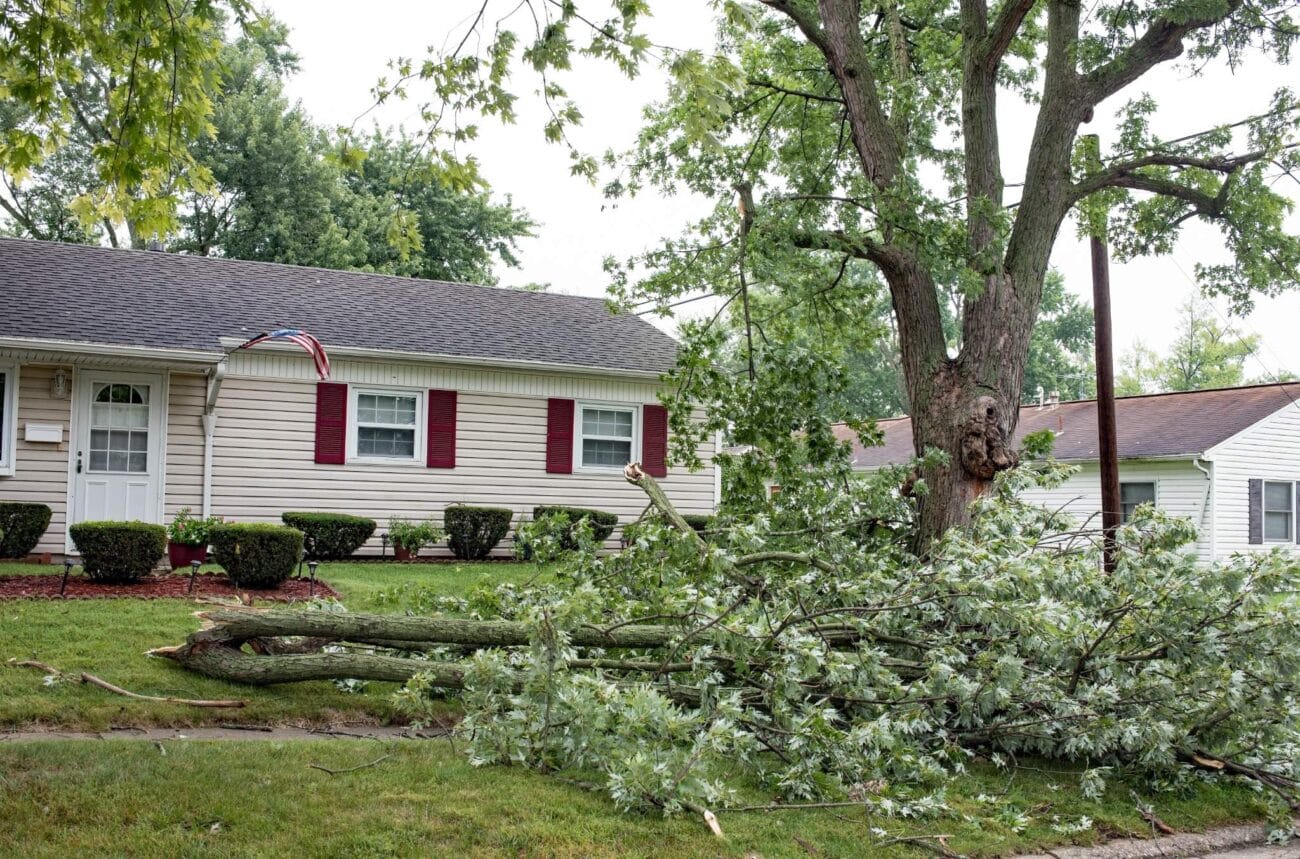
That beautiful oak in the front yard of your Liverpool, NY, home might be adding curb appeal, but it could also be a silent threat to your home’s biggest protector: the roof. Many New York homeowners enjoy the shade and beauty of their trees without realizing the potential for expensive property damage. Understanding how trees can harm your roof is the first step toward preventing a major disaster.
The Hidden Dangers of Trees Near Your Roof
While trees offer many benefits, they can pose significant risks to your roof when not properly maintained. Overhanging branches, falling leaves, and even powerful root systems can all contribute to roof problems over time. Recognizing these dangers helps you take the right preventive measures to protect your home.
How Trees Can Damage Your Roof
From subtle scraping to catastrophic impacts, trees have several ways of compromising your roof’s integrity. Each type of threat requires a different approach to mitigation and roof repair. Being aware of these specific issues is vital for effective roof maintenance.
1. Overhanging Branches
Branches that hover over your roof are a constant problem. During windy conditions, they can scrape against shingles, wearing away the protective granules that shield them from sun and rain. This constant friction accelerates aging and can lead to early shingle damage.
If a branch is heavy or sharp, it can do more than just scrape the surface. It could puncture the shingles and the underlying materials, creating a direct path for water to enter your home. This can also lead to leaks and significant water damage inside your attic.
2. Falling Debris
Leaves, twigs, pine needles, and seeds from nearby trees will naturally accumulate on your roof. This layer of debris acts like a sponge, trapping moisture against your shingles. This persistent dampness promotes the growth of moss, mildew, and algae, which can degrade roofing materials.
Over time, this organic matter can cause your shingles to rot and deteriorate. The added weight of wet debris, especially after heavy rain or snow, also puts unnecessary stress on your roof’s structure.
3. Gutter Clogs
Tree debris is the primary cause of clogged gutters. When your gutters are full, they can’t direct rainwater away from your house as intended. Instead, water can overflow and seep back under the edge of your roof.
This backup can cause serious harm to your roof decking, soffit, and fascia boards. In colder climates, clogged gutters can lead to the formation of ice dams in the winter, which can force water under shingles and cause extensive interior water damage.
4. Falling Limbs
Severe weather is a major threat to homes with nearby trees. During storms with high winds, even healthy branches can snap and fall onto your roof. This type of storm damage can range from minor punctures to major structural harm that requires immediate attention.
Dead or diseased branches are particularly dangerous, as they can fall with little to no warning. A large limb or an entire falling tree can cause catastrophic property damage, compromising the safety and structure of your entire home.
5. Root Damage
While not a direct threat to your roofing material, large tree roots can cause serious foundational issues. As roots expand, they can shift the ground beneath your home’s foundation, causing it to crack or settle unevenly. This structural shift places immense stress on the entire house frame, including the roof.
This stress can lead to rafters separating, decking warping, or leaks developing as the roofing system is pulled in different directions. Watch for signs like cracks in your drywall or basement walls, as these can indicate foundation issues affecting your roof.
Protecting Your Roof From Tree Damage
Now that we know the risks, we can focus on solutions. Proactive roof inspections and maintenance, along with smart tree care, are the best ways to prevent costly repairs. These preventive measures can save you time, money, and stress in the long run.
| Source of Damage | Recommended Action |
|---|---|
| Scraping Branches | Schedule regular tree trimming to maintain a clearance of at least 10 feet from the roof. |
| Leaf & Twig Buildup | Clean the roof surface and gutters at least twice a year, especially in the fall. |
| Gutter Clogs | Install gutter guards and perform regular cleaning to ensure proper water flow. |
| Falling Limbs | Have a professional arborist inspect trees for dead or weak branches and perform removals. |
| Root System Growth | Consult a professional about root barriers or tree removal if foundation issues arise. |
Regular Tree Maintenance
Proper tree trimming is your first line of defense. Hire a certified arborist to prune branches that are growing too close to your home, ideally keeping a clearance of 10 feet. They can also identify and remove weak or dead limbs that pose a falling risk.
Gutter Cleaning
Make it a habit to clean your gutters every spring and fall. If you have many trees, you might need to do it more often. Removing leaves and debris prevents clogs and water backup, protecting the edges of your roof and your home’s foundation.
Roof Inspections
A yearly inspection by a professional roofing contractor is a wise investment. They can spot subtle signs of shingle damage or moisture problems before they escalate. After any major storm, you should also perform a visual check from the ground for any obvious storm damage.
Remove Dangerous Trees
Sometimes, a tree is too sick, damaged, or poorly located to be saved. If an arborist determines a tree poses a significant risk to your home, removal is often the safest choice. It’s a difficult decision, but it’s better than dealing with the aftermath of a fallen tree.
Plan Smart Landscaping
If you’re planting new trees, think about their future growth. Research their mature height and canopy spread, and plant them far enough from your house to avoid future conflicts. Choosing species with less aggressive root systems is a smart move.
Signs of Tree-Related Roof Damage
Stay vigilant and look for early indicators that trees are affecting your roof. Catching these problems early can prevent more extensive and expensive repairs. Here are some common warning signs:
- Any sagging or dipping spots in your roofline could indicate a structural problem.
- Loose shingle granules are collecting in your gutters or on the ground below your downspouts.
- New or worsening water stains appearing on your ceilings or interior walls.
- Patches of moss, algae, or dark streaks growing on your roof, especially in shaded areas.
- Visible scrapes, scratches, or gouges on the surface of your shingles.
If you spot any of these issues, it’s time to schedule a professional roof inspection to assess the extent of the damage.
When To Call a Professional
While some yard work is fine for homeowners, tree work can be dangerous. It’s best to call a professional for certain tasks. A certified arborist has the training and equipment to work safely and effectively.
You should always contact a professional for trimming large branches or removing entire trees. They should also handle any work near power lines or tasks that require climbing. An arborist can properly diagnose tree diseases and assess overall health to prevent future problems.
Final Takeaways
The problem of trees damaging roof systems is common, but it’s highly preventable. By taking a proactive approach to tree care and roof maintenance, you can enjoy your beautiful landscaping without risking your home’s safety. Regular tree trimming, clean gutters, and professional inspections are small investments that protect you from major property damage and give you peace of mind.