Not sure whether a standing seam or exposed fastener metal roof will hold up on an Upstate New York home with heavy snow and wind? We face these choices every day at Dynasty Roofing. Standing seam panels use concealed fasteners that resist moisture and let you qualify for excellent weathertight warranties. We compare metal roof options for Upstate NY and weigh durability, maintenance, premium paint finishes, solar mounting with high-quality clamps, and seamless gutters to help you decide. Read on.
Overview of Standing Seam Metal Roofs
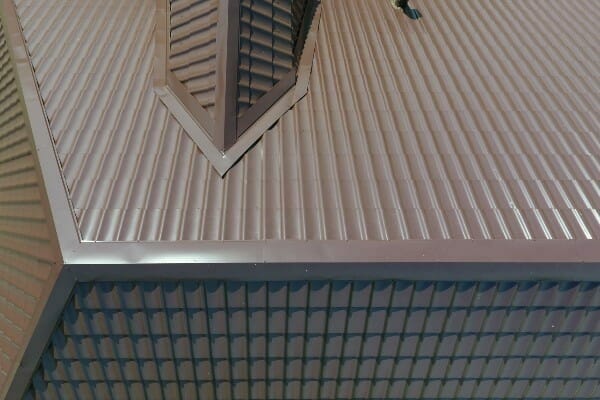
Standing seam metal roofing uses hidden fasteners and raised seams for a clean, modern look. Our team at Dynasty Roofing often recommends this option to Upstate NY homeowners who value low maintenance and strong weather protection from galvanized steel or aluminum panels coated with premium paint systems.
Characteristics of Standing Seam Roofs
Panels use a concealed fastener system that hides screws and nails, giving a modern look and long service life. We lap and interlock adjacent edges and attach panels with concealed clips and fasteners. Common profiles are rigorously tested to high industry standards. We allow thermal movement in the design to cut oil canning and reduce noise from expansion and contraction.
We install painted aluminum, zinc, and copper panels with highly durable paint systems for lasting color. Having no visible fasteners shields the roof from UV rays, moisture, wind, and general wear. Manufacturers back many of these systems with weathertight warranties for commercial projects, and the hidden fasteners work incredibly well with solar panels and gutter systems.
Common Applications in Upstate NY (Standing Seam)
Standing seam roofs work well for various buildings in Upstate NY. We often see them on commercial spaces, residential homes, and architectural projects. Their versatility makes them an ideal choice for both simple and complex designs. Architects appreciate their clean lines and modern look as they significantly enhance curb appeal.
These roofing systems suit low slope roofs with a pitch of 0.5/12 or higher for mechanical seams, and 3/12 or more for snap-lock styles. This flexibility allows us to install standing seam roofs on many types of structures. They are also fully compatible with solar panel installations, which is essential in today’s energy-conscious world. Non-penetrating mounts preserve the roof’s integrity while providing reliable energy solutions.
Overview of Exposed Fastener Metal Roofs
Exposed fastener metal roofs feature visible screws that secure the panels to the structure. These roofs often use screw-down metal sheets, making them a popular choice for both agricultural buildings and residential homes in Upstate New York.
Characteristics of Exposed Fastener Roofs
Exposed fastener metal roofs feature panels that attach directly to the roof deck. Fasteners remain visible on the surface, which gives them a traditional look. These systems use a lap seam where edges overlap for fastening purposes, and they do not include the concealed clips found in other roofing options.
We often find these panels in 24, 26, or 29-gauge sizes. A 24-gauge steel panel weighs substantially more than a 26-gauge panel. The exposed fastener system typically relies on standard paint coatings such as polyesters and silicone-modified polyesters, making them a highly accessible option compared to the premium painting systems commonly found on standing seam roofs. Installation is simpler and requires less labor effort since wider panels can measure up to thirty-six inches across. Local hardware stores offer plenty of choices for these exposed fastener metal roofing products.
Common Applications in Upstate NY (Exposed Fastener)
In Upstate New York, we find exposed fastener metal roofs widely used in various settings. These roofs perfectly suit residential homes, agricultural buildings, and industrial structures. They work exceptionally well with open-framed designs that are common in barns and farmhouses.
We appreciate their practicality for do-it-yourself projects. Capable homeowners can often install these systems themselves, saving on labor effort. Exposed fastener roofs require a roof pitch of 3/12 or higher, making them ideal for most local building styles. Their traditional appeal often matches the beautiful aesthetics of the rural landscape we cherish here in Upstate NY.
Key Comparison Categories
Examining key comparison categories helps us understand the fundamental differences between standing seam and exposed fastener roofs. We will review their looks, durability, installation ease, maintenance needs, suitability for various pitches, and overall resource investments to guide your choice.
Appearance
Standing seam metal roofs offer a sleek, modern look. Their straight lines create an eye-catching design, and we can choose from many colors, including custom options, to match any home style in Upstate NY. These roofs provide a clean and consistent surface that greatly enhances the overall aesthetic.
Exposed fastener metal roofs present a more traditional appearance. Their visible fastener heads make them less sleek than standing seam options. This type often fits perfectly with rural or industrial architecture. Despite its rustic charm, it may not appeal to those seeking a highly contemporary facade for their homes in Upstate New York.
Longevity and Durability
We rate longevity and durability as top factors for Upstate NY roofing choices. When it comes to longevity, we expect forty to seventy years of life for high-quality standing seam panels. These panels resist wear much better than asphalt shingles and concrete tiles, and manufacturer testing supports their long service in high-wind zones. At Dynasty Roofing, we install engineered systems that strictly meet those standards. Conversely, we often see shorter service spans for exposed fastener roofs. Numerous roof penetrations speed up wear on protective layers, and fastener withdrawal from thermal movement can reduce the lifespan. Because of this, owners may need earlier reroofing or repairs.
Looking at durability, standing seam panels naturally avoid holes in their protective surfaces because concealed clips eliminate direct panel penetrations. Wind testing and engineered seams significantly improve resistance to uplift, allowing these metal panels to maintain their appearance and function with very low upkeep. On the other hand, exposed fastener systems feature many fasteners driven right through the metal surface. Each fastener creates a potential leak point over time. Thermal expansion and contraction can loosen fasteners on some installations, meaning the risk of water penetration rises with exposed fastener systems.
Ease of Installation
Exposed fastener systems utilize wide coverage panels that can span up to thirty-six inches, allowing crews to cover large areas very fast. This requires less crew effort during installation and generally involves a lower labor commitment because the work progresses quickly. These systems require only basic contractor tools and standard fasteners, meaning we can install them using existing gear. They also use fewer flashing products, which makes detailing simpler and speeds up the process. Because more contractors hold the skills for this installation, crew training is shorter and deployment is faster. This straightforward approach even offers a practical do-it-yourself path for capable homeowners. Quality control relies on correct fastener placement for watertight results, permitting quick visual inspections of the screws. These stock coverage panels are also available from many local suppliers, reducing lead delays.
Standing seam systems take a different approach. They use narrower seam panels that require precise alignment. This demands highly skilled craftsmanship on every seam, calling for more installation hours and careful attention. Installers need specialized seamers and bending tools, often relying on on-site roll forming or specific local metal makers. The flashing and accessory requirements are also more demanding, needing custom trim and careful fitting at penetrations. Fewer installers master this on-site forming, so you require craftsmen with specialized experience. Because proper seaming is hard without shop gear, we strongly discourage do-it-yourself attempts except by experienced roofers. Quality control depends entirely on precision seams for long-term performance, requiring skilled inspections of hidden elements. Finally, these systems force careful planning for custom lengths and profiles rather than standard stock inventory.
Maintenance Requirements
For standing seam roofs, we recommend inspections once per year. Fasteners stay entirely concealed, so replacements occur much less often. We check the seams for wear during our annual reviews, examine sealant joints, and refresh them only as needed. We clear leaves and sticks at least once per year and clean gutters and downspouts during the spring and fall. Annually, we look for scratches, scuffs, chalking, fading, and flaking. Small repairs use basic roof inspections, sealants, and hand tools, though we suggest trained installers or our Dynasty Roofing crews for major work. We always account for the freeze, thaw, and heavy snow of Upstate NY when planning our service.
Exposed fastener roofs require more hands-on care. We advise inspections at least twice per year. We tighten exposed screws regularly and replace worn fasteners often. We inspect foam closures during each visit and replace them when compressed, while frequently maintaining sealant beads to prevent leaks. Debris removal must happen repeatedly throughout the year, especially after storms and leaf fall. We inspect and clear drains more often to avoid backups, carefully watching for surface damage during each inspection and touching up paint when needed. We carry fastener drivers, foam replacement kits, sealants, and ladders for routine upkeep. We highly recommend qualified contractors for these regular tightening tasks, and we plan extra checks after winter storms and spring melt events.
Conclusion
Both standing seam and exposed fastener metal roofs offer distinct advantages for our homes in Upstate NY. Standing seam roofs provide durability, reduced maintenance, and modern appeal.
They also excel in energy efficiency through options like the Energy Star-rated materials we recommend. Exposed fastener systems present a more budget-friendly choice with their simpler installation but may need frequent upkeep.
Evaluating these factors helps us make an informed decision that aligns with our needs and preferences.