Proper roofing is crucial for safeguarding homes against the harsh weather conditions prevalent in Central New York. A well-maintained roof not only protects the structural integrity of a house but also prevents costly damage from leaks and storm-related issues. This article will explore the common causes of roof damage, effective maintenance strategies, and the best repair techniques to ensure your roof remains resilient against the elements. By understanding these aspects, homeowners can make informed decisions that enhance the longevity of their roofs and minimize repair costs.
What Are the Common Causes of Roof Damage in Central NY?
Roof damage in Central New York can stem from various factors, primarily influenced by the region’s unique weather patterns. Understanding these causes is essential for effective prevention and maintenance.
How Do Storms and Weather Patterns Affect Roof Integrity?
Storms and severe weather conditions, such as heavy snowfall, ice storms, and high winds, significantly impact roof integrity. These elements can lead to physical damage, such as missing shingles or compromised roofing materials. For instance, ice dams can form during winter, causing water to back up under shingles and leading to leaks. Additionally, strong winds can lift shingles, exposing the underlying layers to moisture and further deterioration. Understanding the science behind ice dam formation, particularly the thermal balance of attics, is key to developing effective prevention strategies.
What Signs Indicate Roof Damage After a Storm?
After a storm, homeowners should be vigilant for signs of roof damage. Common indicators include missing or damaged shingles, such as any shingles that are cracked, curled, or completely missing. Water stains on ceilings are another sign, as interior water stains can indicate leaks originating from the roof. Additionally, debris accumulation, like piles of branches or leaves, can trap moisture and lead to mold growth. Identifying these signs early can prevent more extensive damage and costly repairs.
How Can Roof Maintenance Services in Syracuse Prevent Costly Repairs?
Regular roof maintenance is vital for preventing costly repairs and extending the lifespan of your roof. Professional services can identify potential issues before they escalate, ensuring your roof remains in optimal condition.
What Are Effective Roof Leak Prevention Strategies?
To prevent leaks, homeowners should consider several strategies. Scheduling professional roof inspections at least twice a year helps catch issues early. Keeping gutters clean and free of debris ensures proper water drainage, which is essential to avoid water buildup. Additionally, using high-quality sealants around chimneys, vents, and other roof penetrations prevents water ingress. Implementing these strategies can significantly reduce the risk of leaks and associated damage. Indeed, experts emphasize that early detection and robust waterproofing are crucial to avoid expensive repairs and ensure a building’s long-term integrity.
How Often Should Roof Inspections Be Conducted in Central NY?
In Central NY, it is recommended to conduct roof inspections at least twice a year, ideally in the spring and fall. Additionally, inspections should follow severe weather events to assess any potential damage. Regular inspections help identify wear and tear, allowing for timely repairs that can save homeowners money in the long run.
What Are the Best Storm Damage Repair Techniques for Central NY Roofs?
When storm damage occurs, prompt and effective repair techniques are essential to restore the roof’s integrity and prevent further issues.
How Does Emergency Roof Repair Address Severe Weather Damage?
Emergency roof repair is crucial after severe weather events. This process typically involves covering damaged areas with temporary tarps to prevent water intrusion until permanent repairs can be made. Structural assessments are conducted to evaluate the extent of the damage and determine the necessary repairs. Quick repairs, such as replacing missing shingles or sealing leaks, address immediate issues to minimize further damage. These steps ensure that the roof is protected from additional weather-related issues while permanent repairs are scheduled.
Which Roofing Materials Are Most Durable Against Central NY Storms?
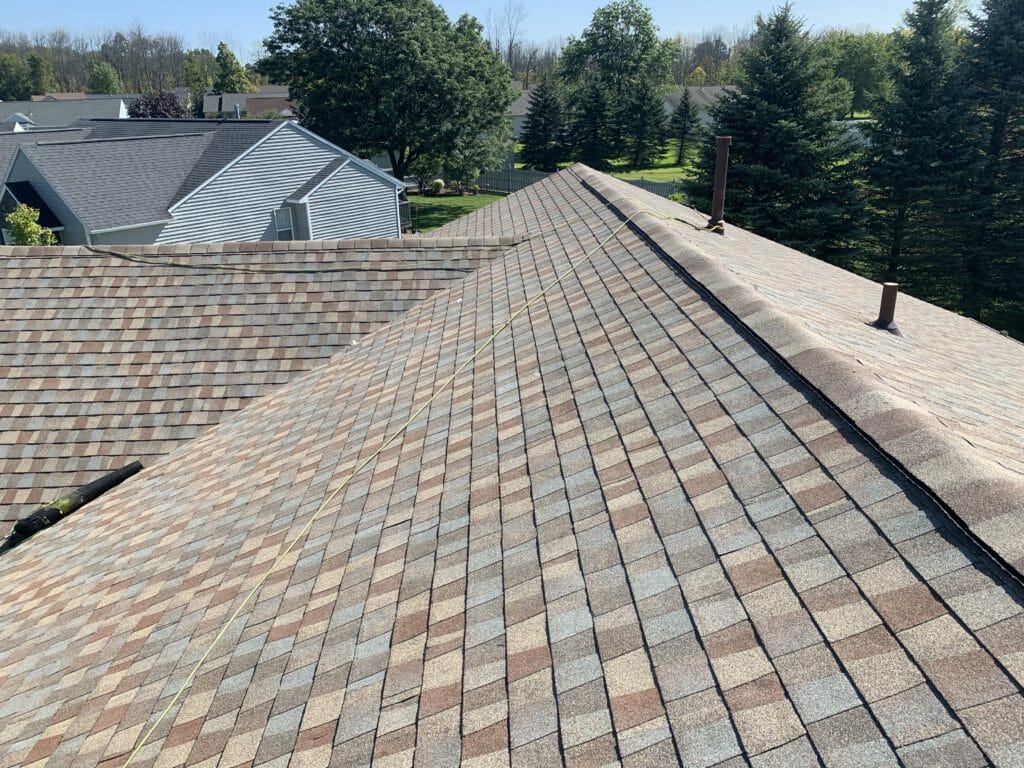
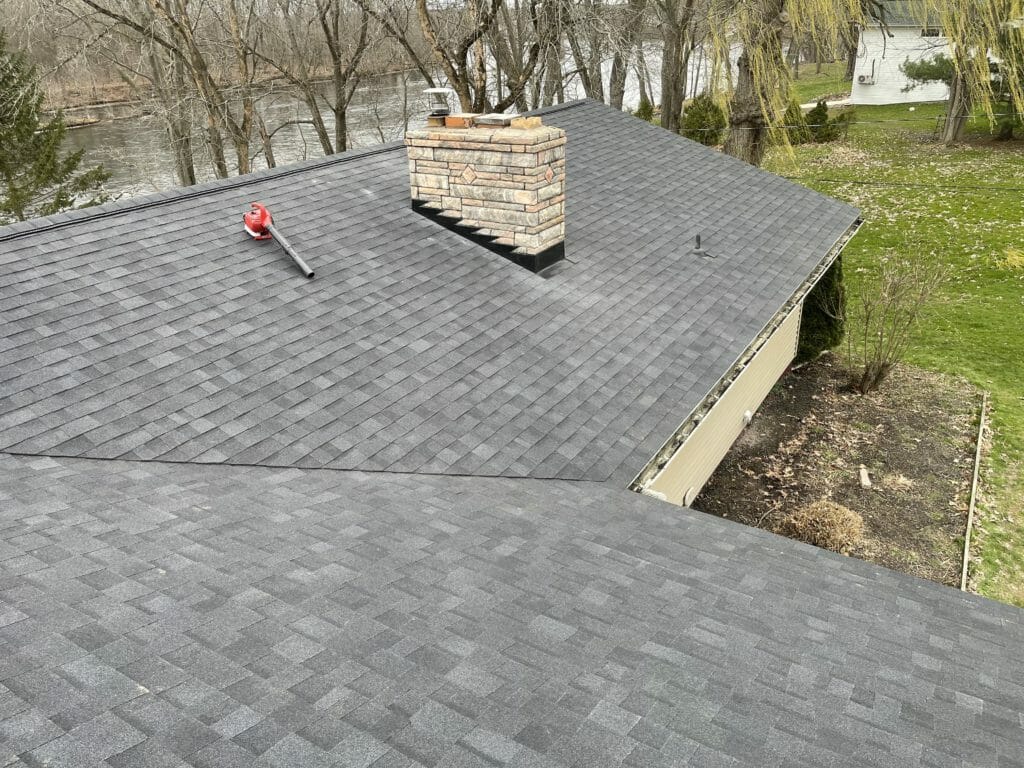
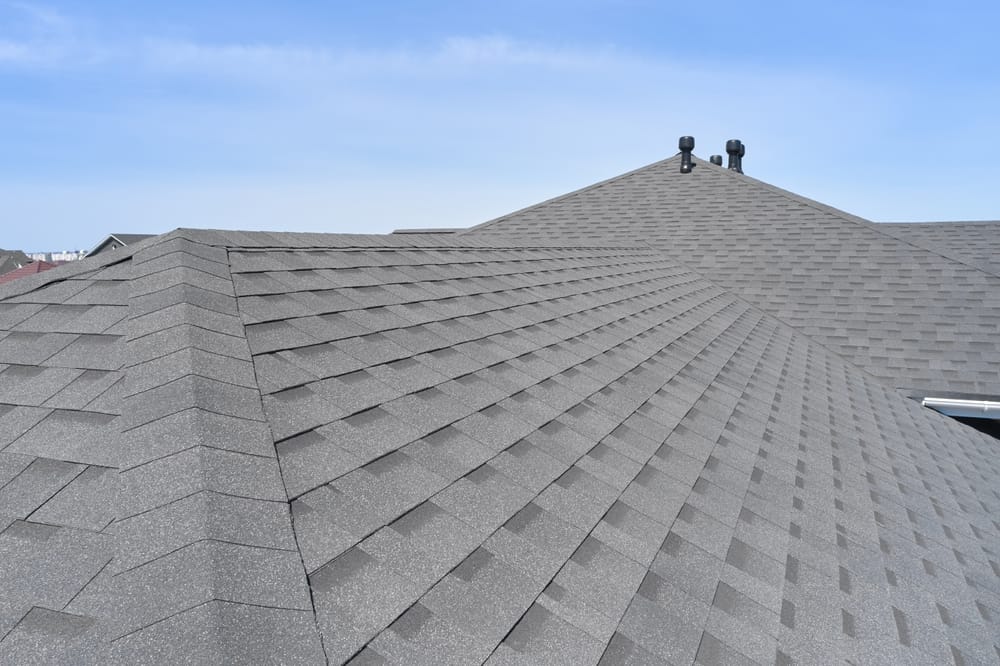
Choosing the right roofing materials can enhance a roof’s durability against storms. Some of the most resilient options include asphalt shingles, which are known for their affordability and effectiveness and can withstand typical weather conditions but may be vulnerable to severe storms. Metal roofing is highly durable and resistant to wind, snow, and ice, making it an excellent choice for harsh climates. Slate and tile offer exceptional longevity and can endure severe weather, though they may require a higher initial investment and proper structural support. Selecting durable materials can significantly reduce the frequency and cost of repairs.
How Does Timely Roof Repair Provide Cost Benefits in Central NY?
Timely roof repairs can lead to substantial cost savings for homeowners. Addressing issues promptly prevents minor problems from escalating into major repairs, which can be significantly more expensive.
What Are the Financial Impacts of Neglecting Roof Maintenance?
Neglecting roof maintenance can result in various financial consequences. Increased repair costs often arise because small leaks can lead to extensive water damage, requiring costly repairs. A poorly maintained roof can also decrease property value, making a home less attractive to potential buyers. Furthermore, damaged roofs can lead to poor insulation, resulting in higher energy bills due to increased heating and cooling costs. Investing in regular maintenance can mitigate these financial impacts and protect your investment.
How Much Can Proper Roofing Reduce Repair Costs?
Proper roofing practices can significantly reduce repair costs. Homeowners who invest in quality materials and regular maintenance can expect to save a substantial portion of repair costs over time. While exact savings vary, estimates suggest that proactive maintenance and quality materials can reduce repair expenses by up to 50%. This is due to the reduced likelihood of severe damage and the extended lifespan of the roofing materials.
Which Roofing Materials Are Best Suited for Central NY’s Climate?
Selecting the right roofing materials is essential for ensuring durability and performance in Central NY’s climate.
What Are the Advantages of Asphalt Shingles and Metal Roofing?
Asphalt shingles and metal roofing each offer unique advantages. Asphalt shingles are affordable, easy to install, and available in various styles, providing good protection against the elements but may have a shorter lifespan in harsh climates. Metal roofing is highly durable, energy-efficient, and resistant to extreme weather, with a lifespan of 40 to 70 years when properly maintained. Both options can be effective, but the choice depends on budget, aesthetic preferences, and long-term goals.
How Do Material Choices Affect Roof Longevity and Damage Resistance?
Material choices play a critical role in determining a roof’s longevity and resistance to damage. For instance, metal roofs are less prone to cracking and warping compared to asphalt shingles, making them a better choice for areas prone to severe weather. Additionally, high-quality materials often come with better warranties, providing further assurance of their durability.