Metal Roofing Benefits for Cold Climate Homes in Cicero & Clay NY: Durable, Energy-Efficient Protection
Metal roofing transforms cold climate homes in Cicero and Clay, NY by combining unmatched durability, energy savings, and low maintenance into a single protective system. For homeowners exploring a standing seam roof in Liverpool or seeking durable roofing solutions in Clay, metal roofing in Cicero NY delivers reliable performance against heavy snow, ice dams, and high winds. This guide covers why metal roofs excel in Central New York’s winters, the best roof types and materials, ice dam prevention and snow-load management, cost versus long-term value, contractor selection criteria, common homeowner concerns, insulation strategies, and local weather challenges.
Why Are Metal Roofs Ideal for Cold Climate Homes in Cicero and Clay?
Metal roofs excel in subfreezing temperatures by providing structural strength, efficient snow shedding, superior thermal performance, and resistance to weather hazards. Their engineered panels and interlocking seams create a continuous barrier that outperforms conventional shingles in every key category. Below, we explore these advantages in depth before discussing product options.
How Does Metal Roofing Provide Superior Durability Against Snow and Ice?
Metal roofing resists snow and ice damage through a combination of high-tensile materials and interlocking joints that withstand heavy loads without cracking or warping. Its rigid panels support up to 50 pounds per square foot of snow without deformation, protecting roof decking and rafters from excess weight. Metal’s corrosion-resistant coatings prevent rust even when ice melts and refreezes, eliminating common freeze-thaw failures. Key durability benefits include engineered panels that resist bending under snow loads, a protective finish that prevents corrosion from ice and moisture, and a seam design that eliminates water infiltration under ice sheets. These features establish metal roofing as a long-term barrier against structural strain, leading directly into how its smooth surface prevents ice dams.
What Makes Metal Roofs Effective at Snow Shedding and Ice Dam Prevention?
Metal’s slick finish and steep roof slopes encourage snow to slide off quickly, reducing the risk of ice dam formation at eaves. As snow slides, it carries away heat-retaining ice and slush before it refreezes, preventing water backup under shingles. This is achieved through a smooth metal surface that lowers friction for rapid snow movement, steeper pitches that channel snow away from gutters and eaves, and integrated snow guards that control descent to protect landscaping. By eliminating snow crusts and ice buildup, metal roofs sustain reliable drainage and prepare the roof deck for optimal energy efficiency in winter.
How Do Metal Roofs Improve Energy Efficiency in Winter?
Metal roofing enhances thermal performance by reflecting infrared energy, retaining heat under properly insulated panels, and reducing thermal bridging. A well-insulated metal roof can lower heating bills by up to 20% in frigid climates. This is accomplished through reflective coatings that minimize heat loss through radiation, underlayment and insulation layers with R-values above 30 that preserve interior warmth, and thermal breaks in panel fasteners that prevent conductive heat escape. Together, these mechanisms promote stable indoor temperatures and transition naturally into the roof’s long lifecycle and maintenance savings.
Why Are Metal Roofs Low Maintenance and Long Lasting in Cold Weather?
Metal roofs typically last 40–70 years—double or triple the lifespan of asphalt shingles—while requiring minimal upkeep. Their durable coatings maintain color and integrity for decades, their interlocking design prevents shingle lifting and wind-driven damage, and minimal seam exposure reduces inspection and repair frequency. Long-term resilience in cold weather underpins both cost savings and structural integrity, leading to the next benefit: resistance to wind and hail.
How Do Metal Roofs Resist Wind and Hail in Central New York Winters?
Metal panels lock together to form an aerodynamic surface that withstands wind speeds up to 140 mph and resists hail impact without puncturing. Their tensile strength and flexibility allow controlled deformation rather than shattering under stress. The interlocked seams resist uplift forces from high winds, steel and aluminum alloys absorb and distribute hail energy, and optional hail-resistant coatings enhance impact durability. This combination of strength and design continuity makes metal roofing the premier choice for homes facing severe weather events in Cicero and Clay.
What Types of Metal Roofing Are Best Suited for Cold Climate Homes in Cicero & Clay?
Selecting the right metal roof profile ensures optimal performance in snow, ice, and wind conditions. Profiles vary in seam height, panel width, and fastening methods, each offering unique advantages for Central New York winters.
What Are the Benefits of Standing Seam Metal Roofs in Winter Conditions?
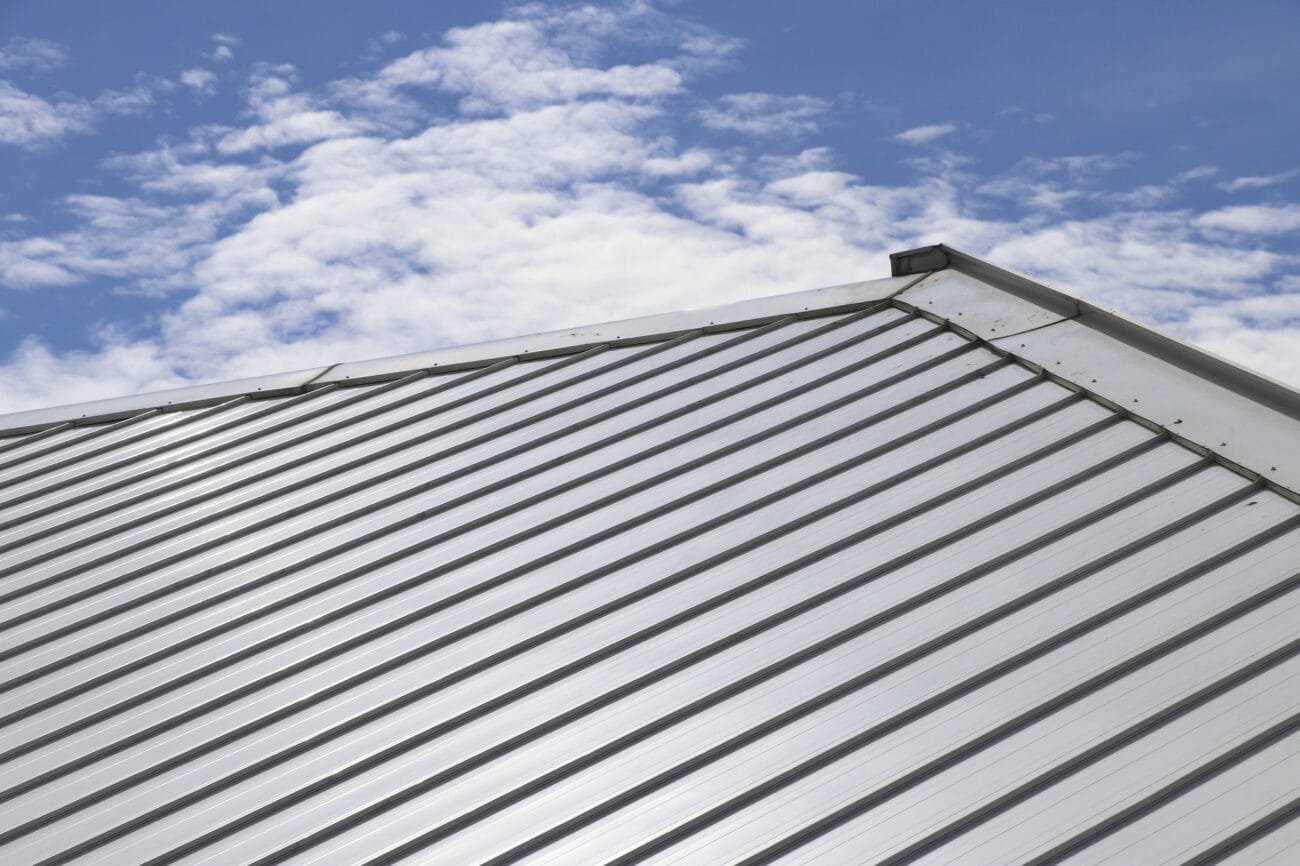
Standing seam systems feature raised interlocking seams that prevent water intrusion and simplify snow removal. The concealed fasteners reduce thermal bridging and eliminate exposed holes where ice and moisture can infiltrate. Benefits include seam heights that guide melting snow off the roof surface, concealed clips that allow panel expansion without compromising waterproofing, and sleek profiles that accommodate thick insulation layers beneath. The durability and thermal break advantages of standing seam panels make them a top choice for Cicero and Clay homeowners seeking reliable cold-climate performance.
How Do Metal Shingles and Panels Compare for Cold Weather Performance?
Metal shingles mimic traditional shingle aesthetics while offering many winter advantages of standing seam panels. Larger metal panels install faster but may require more careful insulation detailing. Metal shingles provide increased thermal mass at each tile, while full-width panels improve snow shedding and reduce seam count. Shingle systems also blend seamlessly with historic or custom home architecture. Both options maintain snow-shedding properties and energy efficiency, with the choice often influenced by style preferences and roof complexity.
Which Metal Materials Offer the Best Protection: Steel, Aluminum, Copper, or Zinc?
Below is a comparison of common metal roofing materials and their key performance attributes in cold climates. Galvanized Steel offers high corrosion resistance (with coating) and a lifespan of 40–60 years, weighing 1.5–2.0 lb per sq ft and falling into a moderate cost level. Aluminum provides excellent corrosion resistance (no rust) and a lifespan of 50–70 years, weighing 1.0–1.5 lb per sq ft and having a higher cost level. Copper boasts exceptional patina and a lifespan of 70–100+ years, weighing 1.2–1.8 lb per sq ft and representing a premium cost. Zinc offers self-healing oxide properties and a lifespan of 60–80 years, weighing 1.1–1.4 lb per sq ft and also being a premium cost option.
How Does Metal Roofing Prevent Ice Dams and Manage Snow Loads in Cold Climates?
Metal roofing minimizes ice dam risk and handles heavy snow through design features that control water flow and distribute weight evenly across roof structures.
What Are Ice Dams and Why Are They a Concern in Cicero and Clay?
Ice dams form when warm attic air melts roof snow near the ridge, then refreezes at the colder eaves, creating a dam that traps runoff and leads to leaks. In Cicero and Clay, multiple freeze-thaw cycles make ice dams a frequent cause of interior water damage and rafter stress. Understanding ice dam formation is essential to selecting roofing systems that proactively reduce melting cycles and channel water away from vulnerable areas.
How Do Metal Roof Designs Reduce Ice Dam Formation?
Metal roof designs incorporate steep slopes and smooth surfaces to prevent water pooling. Ridge vents and under-eave heat trace cables work in tandem with metal panels to maintain uniform roof temperatures. Strategies include ridge and soffit ventilation to balance attic heat distribution, integrated snow retention systems to control gradual snow release, and heat-conductive panels to reduce localized melting by spreading warmth. These strategies interrupt the freeze-melt-refreeze cycle and segue into snow-load capacity comparisons.
What Snow Load Capacities Do Metal Roofs Offer Compared to Asphalt Shingles?
Metal roofing typically supports 40–60 lb/sq ft of snow before reaching design limits, whereas asphalt shingles rated for cold climates handle 20–30 lb/sq ft. The higher capacity stems from metal’s tensile strength and panel continuity. Metal Panels offer a snow load capacity of 40–60 lb/sq ft and a typical service life of 50–70 years, while Asphalt Shingles have a snow load capacity of 20–30 lb/sq ft and a typical service life of 15–30 years. Greater load capacity enhances structural safety and extends roof life under relentless winter weather, reinforcing metal roofing’s superiority for snowy regions.
What Is the Cost and Long-Term Value of Installing Metal Roofing in Cicero and Clay?
Assessing investment versus return clarifies how metal roofing’s higher upfront cost translates into decades of savings and property value gains in cold climates.
How Does the Upfront Cost of Metal Roofing Compare to Asphalt Shingles?
On average, a metal roof installation runs 2–3 times higher per square foot than asphalt shingles. This reflects premium materials, specialized labor, and additional underlayment requirements for cold-climate performance. Asphalt shingles typically cost $3–$5 per sq ft installed, while metal panels/shingles range from $6–$15 per sq ft installed. Although initial expenses are greater, long-term durability and reduced maintenance offset that investment over the roof’s lifespan.
What Are the Long-Term Savings from Energy Efficiency and Reduced Repairs?
Homeowners can recoup higher installation costs through energy savings and lower repair bills. Metal roofs reduce heating demand by up to 20% and incur fewer leak repairs over 50 years. Estimated heating cost reduction is 15–20% annually, with maintenance savings potentially reaching up to 70% over 30 years. These savings compound over time, solidifying metal roofing as a cost-effective choice for Cicero and Clay residents seeking low-maintenance durability.
Can Metal Roofing Increase Home Value in Cold Climate Areas?
Yes, metal roofing’s longevity and energy-efficient reputation often translate into higher resale values. Appraisers and buyers recognize the reduced lifecycle costs and durability, making homes with metal roofs more attractive investments. Quantifiable energy savings and warranty lengths can bolster listing appeal, creating a strong return on installation costs in competitive real estate markets.
How to Choose the Right Metal Roofing Contractor in Cicero and Clay NY?
Selecting a qualified installer is crucial for maximizing performance and warranty protection in cold climates. Expertise in metal systems ensures proper panel alignment, insulation integration, and snow-guard installation.
What Should Homeowners Look for in a Local Metal Roofing Expert?
Homeowners should verify that a contractor specializes in metal roof installations, holds relevant certifications, and provides detailed project estimates. Proven experience in cold-climate roofing indicates familiarity with ice dam mitigation and ventilation strategies. Key criteria include manufacturer certifications for panel systems, a portfolio of completed metal roofing projects in Central NY, and a clear breakdown of materials, labor, and warranty terms. These criteria guide the search toward professionals who understand local building codes and winter-specific installation practices.
Why Is Local Experience Important for Cold Climate Metal Roof Installation?
Contractors who regularly install roofs in Cicero and Clay are familiar with regional snowfall patterns, freeze-thaw cycles, and typical attic ventilation challenges. Their knowledge helps prevent common issues like moisture intrusion and thermal bridging in subzero conditions. Local expertise ensures optimized system design and reliable performance, setting the stage for comprehensive warranty and service options.
What Warranty and Service Options Are Available for Metal Roofs in Cicero and Clay?
Metal roofing manufacturers offer warranties covering paint finish (20–40 years), weathertight performance (30–50 years), and structural integrity (lifetime). Reputable contractors back these with workmanship guarantees that protect homeowners against installation defects. Combining manufacturer and installer warranties provides layered protection that aligns with the roof’s expected decades-long service.
What Are Common Questions About Metal Roofing in Cold Climates?
Homeowners often weigh specific concerns about temperature effects, drainage, and longevity before choosing metal roofing for snow-bound regions.
Are Metal Roofs Good for Cold Climates Like Cicero and Clay?
Yes, metal roofs excel in cold climates through rapid snow shedding, high snow-load capacity, and thermal efficiency when properly insulated. Their durability and resistance to ice dams make them ideal for Cicero and Clay winters.
Do Metal Roofs Make Homes Colder in Winter?
No, metal panels combined with quality underlayment and insulation create a continuous thermal barrier that retains interior heat. Properly installed metal roofing enhances warmth by minimizing heat loss through conduction.
What Is the Minimum Roof Slope for Metal Roofing in Snowy Areas?
Most metal roofing systems require a minimum slope of 3:12 (14°) to ensure adequate snow and water runoff. Steeper pitches further improve snow shedding and reduce ice dam risks.
How Long Do Metal Roofs Last in Cold Weather Conditions?
Metal roofs last 40–70 years in cold climates, outpacing asphalt shingles by decades. Durable coatings and strong alloys withstand repeated freeze-thaw cycles without structural degradation.
Do Metal Roofs Trap Moisture or Cause Condensation Problems?
When combined with proper ventilation and vapor barriers, metal roofs prevent condensation by maintaining balanced attic airflows. Ridge vents, soffit vents, and breathable underlayments keep moisture levels in check.
How Does Proper Insulation Enhance Metal Roof Performance in Cold Climates?
Combining metal roofing with high-performance insulation maximizes thermal retention, prevents ice dam formation, and improves overall energy efficiency.
What Insulation R-Values Are Recommended for Metal Roofs in Cicero and Clay?
Insulation with an R-value of R-30 or higher is recommended for metal roofs in Cicero and Clay to minimize heat loss during subzero weather. Closed-cell spray foam and mineral wool batts are common solutions. Selecting higher R-values directly supports lower heating demands and transitions into how insulation interacts with the roofing system.
How Does Insulation Work with Metal Roofing to Reduce Heating Costs?
Insulation under metal panels traps warm air beneath the roof deck and prevents conductive heat transfer through fasteners and seams. Properly installed thermal breaks and underlayments create an uninterrupted barrier against cold outdoor air. This mechanism directly leads to best practices in metal roof insulation for peak performance.
What Are Best Practices for Insulating Metal Roofs in Cold Weather?
Best practices include installing a continuous air and vapor barrier beneath all panels, using foam-in-place or rigid board insulation for high R-values, and incorporating proper attic ventilation to balance moisture and temperature. Following these guidelines ensures a tight building envelope that complements metal roofing’s natural thermal advantages.
What Local Weather Challenges Make Metal Roofing a Smart Choice in Cicero and Clay?
Cicero and Clay experience heavy snowfall, freeze-thaw cycles, high winds, and occasional hail—conditions that stress roofing materials and demand robust protection.
How Do Heavy Snowfall and Freeze-Thaw Cycles Affect Roof Durability?
Repeated snow accumulation and melting create cyclical loading that strains roofing substrates and fasteners. Metal panels absorb and redistribute these loads without cracking or detachment, unlike brittle materials that succumb to repeated thermal cycling.
Why Is Wind and Hail Resistance Critical for Central New York Roofs?
Central New York’s winter storms can combine gusting winds with freezing rain and hail, leading to shingle blow-offs and granule loss. Metal roofs withstand uplift pressures and dispersive hail impacts, preserving both function and appearance.
How Do Metal Roofs Perform Compared to Asphalt Shingles in Local Conditions?
Metal roofing maintains structural integrity under higher snow loads, prevents ice dams through smooth shedding, and resists wind uplift far better than asphalt. Combined with superior energy efficiency and lifespan, metal roofs represent a comprehensive upgrade over shingles for Cicero and Clay climates.
Metal roofing for cold climate homes in Cicero and Clay NY offers unparalleled protection against snow, ice, wind, and hail while delivering energy savings and low maintenance. By choosing the right materials, profiles, insulation, and installation experts, homeowners secure decades of performance and increased property value under even the harshest winter conditions.