Metal roofing is a high-performance residential roofing solution that combines long-term durability, modern aesthetics, and measurable energy advantages. This article explains how metal roof systems protect homes from wind, hail, fire, and rot while offering styles from standing seam to metal shingles that enhance curb appeal. Homeowners will learn how reflective coatings reduce cooling loads, which materials best resist corrosion and impact, and how lifetime costs compare with asphalt shingles. The guide also walks through maintenance realities, color and finish choices, and the key factors that drive installation cost so you can evaluate long-term value. Sections cover durability and lifespan, energy efficiency and environmental benefits, popular styles and curb-appeal considerations, and a transparent cost comparison that helps owners plan smart upgrades. Throughout, practical tips on specifying materials, asking installers about warranties, and regional performance factors are included to make decision-making straightforward.
How Does Metal Roofing Enhance Your Home’s Durability and Longevity?
Metal roofing enhances durability by using strong metal panels and protective coatings that resist common causes of roof failure—wind uplift, impact, corrosion, and fire. The mechanism is straightforward: structural metal panels, sealed seams, and engineered fasteners distribute loads and shed water and debris, which reduces rot and leak pathways. As a result, homeowners benefit from fewer repairs and longer service life compared with many organic roofing materials. Next, a concise comparison of common metal types highlights relative resilience and expected lifespans to inform material selection.
Understanding these durability profiles leads to why specific panel designs and coatings make roofs weather-resistant.
What Makes Metal Roofs Resistant to Extreme Weather Conditions?
Metal roofs resist extreme weather through material strength, seam design, and protective finishes that prevent penetration and corrosion. Panels like standing seam have raised seams that eliminate exposed fasteners, reducing wind uplift and leak risk, while corrugated profiles add stiffness that improves impact resistance. Coatings such as acrylics or PVDF finishes provide additional corrosion protection and help metal shed hail and snow more effectively. These mechanical and finish-based defenses reduce the likelihood of punctures, shingle blow-off, and water infiltration during storms, which in turn lowers repair frequency and preserves the roof’s structural integrity.
How Long Can You Expect a Metal Roof to Last Compared to Other Materials?
Metal roofs commonly last multiple decades due to inherent corrosion resistance and low biological degradation compared with organic materials like asphalt shingles. Where asphalt typically needs replacement every 15–30 years, properly specified steel, aluminum, or copper roofs often reach 40–70+ years with periodic inspections. Factors such as coastal salt exposure, roof slope, installation quality, and the presence of protective coatings will shift lifespans, so warranty terms and installer workmanship directly affect real-world longevity. Knowing these variables helps homeowners weigh initial investment against decades of reduced maintenance and replacement costs.
Why Is Energy Efficient Metal Roofing a Smart Choice for Homeowners?
Energy-efficient metal roofing reduces heat gain through high solar reflectance and thermal emissivity, lowering attic temperatures and easing HVAC loads. The mechanism involves reflective pigments and cool-coating technologies that bounce sunlight away and radiate heat efficiently, cutting peak cooling demand in warm months. This delivers measurable cooling savings for many homes, particularly in sunny climates, and complements insulation and ventilation strategies to improve year-round comfort. Following is a short comparison of material/coating options and their typical energy performance impacts.
The next section explains how coatings work on a technical level.
How Do Cool Roof Coatings and Reflective Metals Reduce Energy Costs?
Cool roof coatings reduce heat gain by increasing solar reflectance and thermal emissivity so less solar energy converts to indoor heat. Reflective pigments and polymer topcoats send more sunlight back to the atmosphere while high emissivity surfaces radiate absorbed heat away faster, which lowers attic temperatures and HVAC runtime. Typical cooling savings range from single-digit percentages in mixed climates to double digits in hot, sunny regions when combined with proper attic ventilation. Homeowners should consider coating durability and local climate when estimating energy payback and ask about certified reflectance ratings to compare options objectively.
What Are the Environmental Benefits of Using Recyclable Metal Roofing Materials?
Metal roofing supports sustainability through high recycled content in many panel products and straightforward recyclability at end-of-life, reducing landfill waste compared with composite shingles. Steel and aluminum are widely recycled, and some manufacturers use significant post-consumer or post-industrial recycled content without sacrificing strength or finish quality. This lifecycle advantage means metal roofing often contributes positively to green building goals and may align with local recycling programs or incentive schemes. Recognizing these environmental benefits leads naturally into aesthetic choices where finishes and color also influence performance.
What Are the Most Popular Metal Roof Styles for Homes and Their Aesthetic Benefits?
Metal roof styles range from sleek standing seam to classic corrugated panels and shingle-mimicking profiles, each delivering distinct visual and functional benefits. Style choice impacts water shedding, installation complexity, and perceived home character, so selecting a profile should balance architecture, maintenance expectations, and budget. Below is a concise overview of primary styles to help match a roof profile to home design and performance needs.
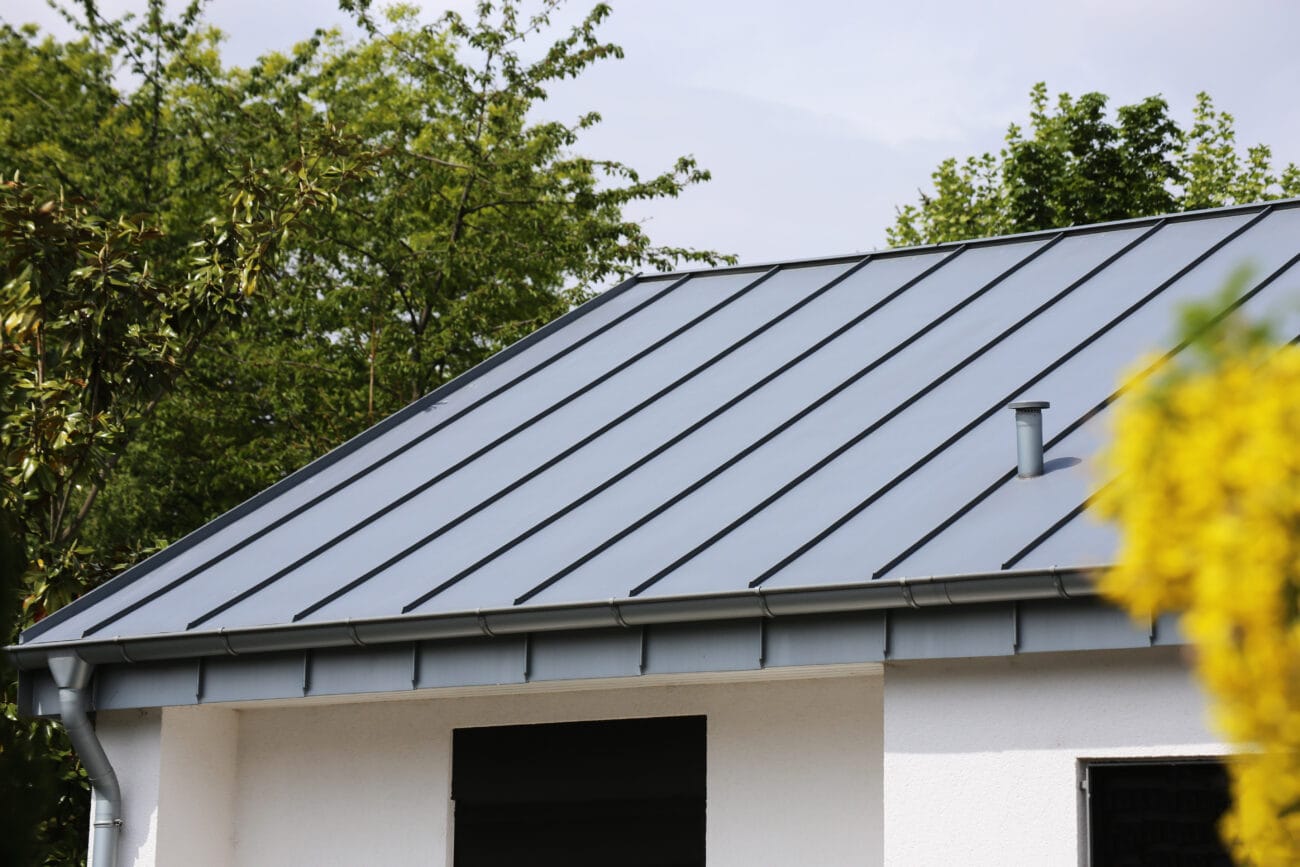
- Standing Seam: A modern, low-profile look with concealed fasteners that excels at water-shedding and wind resistance.
- Corrugated Panels: Traditional ribbed appearance; cost-effective and durable, often used for rustic or industrial aesthetics.
- Metal Shingles/Tiles: Mimic the look of shingles or tile while offering metal’s longevity and lighter weight.
These style options guide homeowners toward a visual direction; the next subsection discusses how color and finish choices refine curb appeal and performance.
How Do Standing Seam, Corrugated, and Metal Shingle Roofs Differ in Style and Function?
Standing seam panels feature raised interlocking seams and concealed fasteners, creating a clean, linear appearance and superior water protection. Corrugated panels use exposed fasteners and a wavy profile that provides stiffness at lower cost, making them suitable for agricultural or minimalist residential looks. Metal shingles reproduce traditional shingle or tile textures while delivering metal durability, offering a compromise between classic appearance and long service life. Each style’s installation complexity and cost differ, so homeowners should consider structural attachments and flashings when choosing a profile.
How Can Color and Finish Options Enhance Your Home’s Curb Appeal?
Color and finish choices shape both visual impact and thermal behavior: lighter colors reflect more solar energy while darker tones can emphasize architectural lines. High-performance finishes like PVDF (Kynar-style) maintain gloss and color stability longer than basic paints, reducing fading and repainting needs. Texture and sheen—from matte to semi-gloss—affect perceived scale and integrate with siding, trim, and landscaping to boost resale appeal. Thoughtful color selection that considers climate and neighborhood context produces a durable aesthetic and can improve energy performance when combined with reflective coatings.
How Does Metal Roofing Cost Compare to Asphalt Shingles and What Are the Long-Term Savings?
Metal roofing typically carries a higher upfront material and installation cost than asphalt shingles but delivers lower lifetime costs when amortized over decades due to greater longevity and reduced maintenance. The rationale is simple: fewer replacements and lower repair frequency spread the initial premium across many additional service years, improving cost-per-year metrics.
Next, consider the specific factors that drive installation quotes.
What Factors Influence the Initial Investment and Installation Costs?
Initial costs vary with material choice (steel, aluminum, copper), panel profile, roof pitch, complexity of roof geometry, removal of existing roofing, underlayment quality, and local labor rates. Standing seam installations require precision seaming and often specialized labor, increasing labor cost relative to corrugated panels or metal shingles. Additional expenses can include enhancements like cool coatings or upgraded fasteners for coastal corrosion resistance. Understanding these drivers helps homeowners evaluate quotes fairly and align material choices with budget and performance goals.
How Do Maintenance Requirements and Longevity Affect Overall Value?
Metal roofs require periodic inspections, clearing of debris, and occasional fastener or sealant checks, but they avoid many of the routine repairs common to shingles such as patching granule loss or replacing torn shingles. This lower maintenance frequency translates to savings in labor, materials, and downtime over decades, and can improve resale value because prospective buyers often value a long-life roof. When paired with proper installation and appropriate warranties, metal roofing’s low-maintenance profile contributes strongly to a lower total cost of ownership and reduced lifecycle environmental impact.