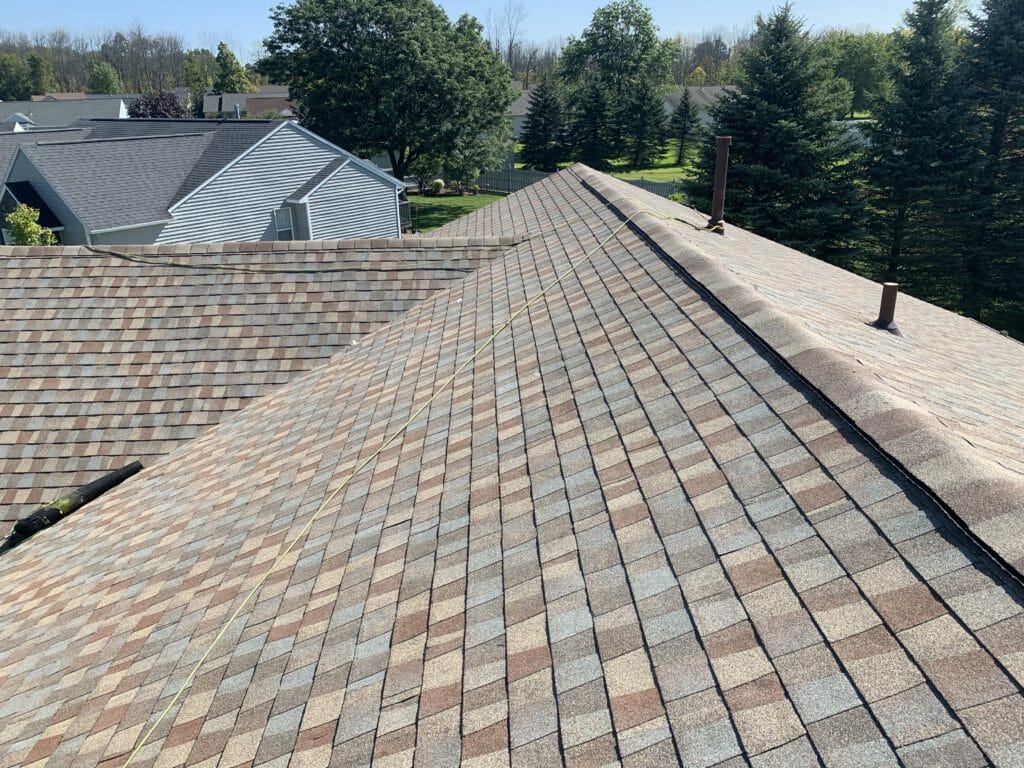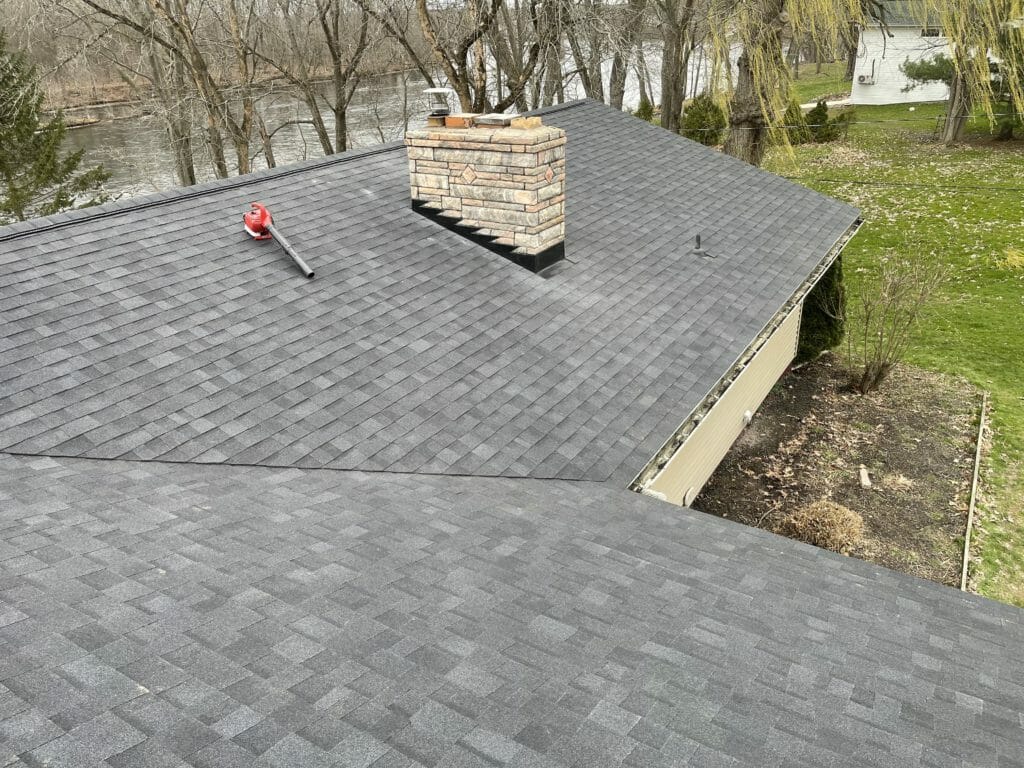


Storms move through Central New York fast, and when they do, your roof takes the first hit. After the wind dies down and the rain lets up, it’s completely normal to wonder what to check first. You might be listening for drips, scanning the ceiling, or eyeing your yard for debris.
Our roofing contractors work with homeowners in Baldwinsville, DeWitt, and surrounding areas after storms all the time, and the same questions come up again and again. What should I look for? Is this damage serious? Do I need to call someone right away?
This guide walks through those first steps in a way that keeps things simple and manageable. We focus on safe ways to check for damage, how to document what you find, and what to do next so small problems don’t turn into bigger ones.
Start With a Safe, Ground-Level Check
After a storm, the first instinct is often to get a closer look. We get it. At the same time, safety always comes first.
Walking on a roof right after a storm can be risky. Surfaces may be wet, debris may be loose, and damage may not be visible underfoot. Instead, we recommend starting from the ground and working your way through what you can safely see.
Take a slow walk around your property and look for anything out of place. Shingle pieces in the yard, branches on the roof, or sections that look uneven are all signs worth noting. If you have a phone with a good zoom or a pair of binoculars, use that to get a closer look without leaving the ground.
If the storm included strong winds or hail, even if everything looks fine at first glance, there is still a chance of hidden damage. The National Weather Service considers winds over 58 miles per hour or hail larger than 1 inch severe, and storms at that level can affect roofing systems in ways that aren’t always obvious right away.
Check for Shingle and Surface Damage
From your ground view, focus on how the roof surface looks overall. Wind damage tends to show up in a few common ways, and once you know what to look for, it becomes easier to spot.
You may notice shingles that appear lifted or slightly bent at the corners. In some cases, entire sections may be missing, especially along the edges or ridge of the roof. Another common pattern involves what we call a “line loss,” where several shingles go missing in a row after wind breaks the seal that holds them in place.
It also helps to look around your yard for clues. Small piles of granules, pieces of shingles, or fragments of ridge cap can tell you where damage may have started. If hail was part of the storm, dents on gutters, downspouts, or metal vents can point to areas where the roof may have taken a direct hit.
A quick check inside the attic can add another layer of insight. Look for damp spots on the wood decking, dark stains, or any visible light coming through the roof. These signs help connect what you see outside with what may be happening underneath.
Look at Gutters, Flashing, and Roof Details
While shingles get most of the attention, some of the most important clues show up in the smaller details. Gutters, flashing, and roof penetrations often reveal damage early, especially after wind-driven rain.
Walk along the edge of your home and check your gutters for dents, loose sections, or seams that may have pulled apart. If you see a buildup of granules in the corners or near downspouts, that can be a sign your shingles have started to wear down.
Take a look at vents and pipe boots as well. Cracked rubber seals or bent vent caps can allow water in during the next rain. Around chimneys or walls, flashing should sit tight and secure. If it looks lifted or separated, it may need attention sooner rather than later.
Ridge caps along the peak of the roof are another area to watch. If they shift out of place, they can create an opening that lets water in at the highest point of the roof.
Document What You Find
Once you start noticing signs of damage, the next step is documenting everything clearly. Good photos make a big difference when it comes time to talk with your insurance company or schedule roof repairs.
We recommend starting with wide shots of each side of your home. From there, take closer photos of specific issues, such as missing shingles, dents, or damaged flashing. Try to include something in the frame that helps show scale, such as a ruler or a familiar object.
Keep your photos organized by area so it’s easy to track where each issue is located. Writing down the date of the storm and any details you remember, such as high winds or hail, can also help support your documentation later.
The more clearly you capture what happened, the easier it becomes to move forward with the next steps.
Steps To Prevent Further Damage
If you notice active leaks or areas where water may enter, it’s important to limit additional damage while staying safe.
Inside your home, move belongings away from affected areas and place containers under any drips. If water starts pooling in the ceiling and creating a bubble, releasing that water into a bucket can help prevent a larger collapse, but only if it can be done safely.
We generally advise against climbing onto the roof to install a tarp yourself, especially after a storm. A poorly secured tarp can cause more harm than good if it shifts or tears. In many cases, it’s safer and faster to have a professional handle temporary protection.
If you do collect any debris from your yard, such as shingles or metal pieces, hold onto them. These can serve as helpful evidence of storm damage.
Keep track of any expenses related to temporary fixes as well. The New York State Department of Financial Services recommends saving receipts for emergency repairs and materials, as they may be part of your claim.
Contact Your Insurance Provider
After documenting the damage and taking basic protective measures, reach out to your insurance provider. Acting promptly helps keep the process on track and ensures you understand what’s covered.
When you contact your insurer, be ready to share the date of the storm, a summary of the damage, and whether water is actively entering your home. Sending your organized photos along with this information helps create a clear picture from the start.
It’s also helpful to ask about the next steps. Some policies require an adjuster to inspect the damage before permanent repairs begin. Confirm what temporary work is allowed and what documentation they expect you to provide.
If questions come up during the process, we’re always happy to help homeowners understand what they’re seeing and how it relates to their claim.
Schedule a Professional Roof Inspection
Even if the damage looks minor, a professional inspection can uncover issues that are easy to miss from the ground. Storms can loosen materials or create small openings that develop into larger problems over time.
When we inspect a roof after a storm, we take a detailed look at everything from shingles and flashing to ventilation and decking. We also check inside the attic when possible to connect interior signs with exterior conditions.
A thorough inspection typically includes:
- A full review of roof surfaces and vulnerable areas
- Assessment of decking and underlayment where accessible
- Documentation of visible damage with photos
- Evaluation of flashing, vents, and roof transitions
We also make sure everything is clearly documented so you have a straightforward understanding of what needs attention and why.
For homes in Central New York, we pay close attention to ice barrier coverage along the eaves. Building codes require protection that extends to the interior of the exterior wall line to help prevent water backup during freeze-thaw cycles. Making sure that detail is handled correctly plays a big role in long-term performance.
Moving Forward With Repairs
Once the inspection is complete, the focus shifts to planning the right repair or roof replacement approach. Some storm damage can be addressed with targeted repairs, while more widespread issues may call for a full replacement.
Our approach centers on building a reliable roofing system that withstands future weather events. That includes proper underlayment, secure flashing, balanced ventilation, and materials suited for Central New York conditions.
We provide clear estimates that outline the scope of work, materials involved, and the expected timeline. This helps you move forward with confidence and keeps everything aligned with your insurance process if a claim is involved.
Final Thoughts
Storm damage can feel overwhelming at first, especially when you’re not sure what you’re looking at. Taking a calm, step-by-step approach makes a big difference. Start with a safe visual check, document what you see, and take steps to prevent further damage. From there, getting a professional inspection helps you understand the full picture and decide on the best path forward.
At Dynasty Roofing, we work with homeowners throughout Baldwinsville, DeWitt, and nearby communities to make this process as smooth as possible. When questions come up or you need a second set of eyes on your roof, we’re here to help.