What to Do After a Storm Hits Baldwinsville or DeWitt: Essential Roof Damage Repair and Insurance Steps
A severe storm in Baldwinsville or DeWitt can leave homeowners facing torn shingles, leaking ceilings, and insurance confusion. Acting swiftly not only protects your home but also streamlines claim approval and repair scheduling. This guide outlines the first safety measures, how to recognize common roof damage, why a professional inspection matters, steps to file an insurance claim in Central New York, and when to call for emergency roof repairs. Following these roof inspection and post-storm roofing checklist steps helps Baldwinsville and DeWitt residents restore their roofs with confidence.
What Are the First Steps to Take After a Storm Damages Your Roof in Baldwinsville or DeWitt?
Begin storm recovery by ensuring personal safety, inspecting visible damage from the ground, and documenting every issue. These initial actions lay the foundation for a successful insurance claim and repair process.
How Can Homeowners Prioritize Safety After a Storm?
Homeowners should first confirm that weather conditions have cleared and that no live wires, fallen trees, or unstable structures pose immediate risk. Avoid walking on wet surfaces and stay clear of leaning branches or utility lines. Wearing gloves and sturdy footwear reduces the chance of cuts or slips while surveying exterior damage.
What Should You Look for During a Preliminary Ground-Level Roof Inspection?
Before climbing, scan your roof from ground level for obvious damage such as:
- Missing, curled, or cracked shingles
- Debris piles in valleys and gutters
- Displaced or dented gutter sections
- Loose or damaged flashing around chimneys and vents
Spotting these issues early prevents unnoticed leaks from worsening and prepares you for detailed documentation of storm impact.
How Do You Properly Document Roof Damage for Insurance Claims?
Documenting damage with clear, timestamped media strengthens your insurance claim. Take wide-angle photos of overall roof condition, close-ups of damaged areas, and record short videos that pan across missing shingles or disrupted gutters. Label each file by location (e.g., front slope, north gutter) and keep notes on the time and date for every image to ensure accurate evidence submission.
Essential Guidelines for Post-Storm Roof Assessment and Insurance Claims
Post-storm roof assessment guidelines emphasize prioritizing safety, documenting all visible damage with timestamped media, and seeking a professional inspection. These actions are vital for identifying hidden issues, streamlining insurance claims, and preventing further structural degradation.
This information reinforces the article’s recommendations for immediate post-storm actions, proper documentation, and the importance of professional evaluations for insurance purposes.
How Can You Identify Common Signs of Roof Storm Damage in Baldwinsville and DeWitt?
Understanding typical damage patterns helps homeowners and contractors diagnose issues quickly. Recognizing common damage types can guide targeted repairs and reduce the risk of hidden issues developing after a storm.
What Are the Key Indicators of Wind Damage on Your Roof?
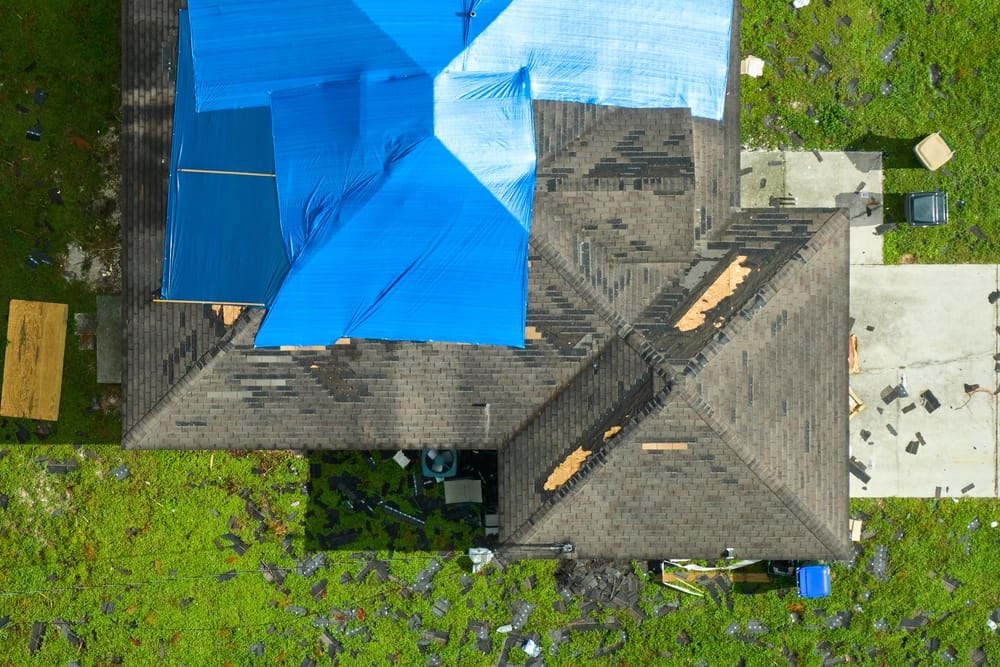
Wind damage often lifts shingles at the edges and loosens underlayment. You may find shingle strips blown off entirely and shingles pressed against chimneys or dormers. Checking where shingles are absent or buckled indicates the wind’s path and helps contractors estimate repair scope.
Wind Effects on Asphalt Shingles
Wind damage to asphalt shingles often occurs at roof edges, ridges, and eaves, leading to lifted, creased, or torn shingles. The extent of damage is influenced by factors such as wind speed, shingle age, and installation quality, with some damage not always being immediately visible.
How Do You Spot Hail Damage on Different Roofing Materials?
Hail impacts leave small round dents in asphalt shingles and metal panels. Look for missing granules in gutters and tiny fractures around nail heads. On metal vents and flashing, hail marks appear as shallow divots. Tracking granule loss helps determine whether only patch repairs or a full shingle replacement is necessary.
What Are the Signs of Water Damage and Leaks Inside Your Home?
Interior water damage shows up as brown or yellow stains on attic rafters and ceiling drywall. Peeling paint, softwood spots, or mold growth near vents indicate moisture infiltration. Documenting these signs early prevents structural rot and potential mold remediation costs down the road.
Why Is a Professional Post-Storm Roof Inspection Important in Baldwinsville and DeWitt?
A professional inspection goes beyond visible damage to assess structural integrity and warranty compliance. Engaging a qualified roofer ensures that hidden issues are uncovered and that insurance requirements for a thorough assessment are met.
What Does a Professional Roof Inspection Include After a Storm?
A comprehensive inspection covers shingle condition, underlayment integrity, flashing seals, and gutter alignment. Inspectors use ladders and moisture meters to detect soft spots and potential leaks. Free on-site evaluations are offered to document damage and recommend repair or replacement solutions.
How Does a Professional Inspection Help With Hidden Damage Detection?
Hidden damage, such as underlayment tears or rot beneath shingles, can lead to costly leaks later. Professional inspectors identify these issues using infrared scans and moisture readings. Early detection prevents interior damage and reduces overall repair expenses by addressing problems before they worsen.
How Do You File a Roof Insurance Claim After Storm Damage in Central New York?
Filing a claim promptly and accurately maximizes your coverage and speeds restoration. Understanding your policy, gathering required documentation, and working with adjusters sets the claim process in motion without unnecessary delays.
What Should You Know About Your Homeowners Insurance Policy?
Most policies cover sudden damage from perils like wind, hail, and falling objects under dwelling coverage. Replacement cost value (RCV) policies reimburse full repair costs, while actual cash value (ACV) considers depreciation. Review your deductible amount and coverage limits before submitting a claim to anticipate out-of-pocket expenses.
How Do You Submit and Document Your Roof Damage Claim?
Begin by notifying your insurer and providing damage photos, videos, and the professional inspection report. Fill out claim forms with detailed descriptions of each affected area and attach timestamped evidence. Keep copies of all communications and inspection notes to ensure transparency during the adjustment process.
How Can You Work Effectively With Insurance Adjusters and Roofing Contractors?
Clearly present documented damage and the contractor’s repair estimate when the adjuster visits. Encourage adjusters to inspect all damaged areas noted in your report. As your roofing advocate, a trusted contractor can negotiate fair repair costs and clarify technical details to secure full insurance reimbursement.
When Should You Call for Emergency Roof Repair Services in Baldwinsville and DeWitt?
If active leaks or exposed decking threaten your home’s interior, request emergency service immediately. Timely temporary fixes prevent water infiltration and structural damage until permanent repairs can be completed.
What Immediate Temporary Repairs Can Homeowners Perform?
To limit interior damage, homeowners can:
- Secure a heavy-duty tarp over the damaged roof section
- Seal minor leaks with roof-grade sealant or flashing tape
- Clear gutters of debris to promote water runoff
These measures reduce further moisture intrusion while awaiting professional assistance.
What Emergency Services Are Available After a Storm?
Emergency service offers 24/7 response for missing shingles, leaking valleys, and unstable flashing. Certified technicians deploy tarps, perform leak patches, and restore basic roof protection immediately. Permanent repairs or full replacements follow once weather conditions allow detailed restoration.
Swift, structured action after a storm ensures that Baldwinsville and DeWitt homeowners safeguard their properties and streamline insurance claims. By combining careful inspection, accurate documentation, professional evaluation, and timely repairs, residents can restore roof integrity and peace of mind. Trust local experts to guide every step of the storm recovery process.