There’s something special about fall in Liverpool, NY, and the surrounding communities as the air gets crisp and the leaves put on a spectacular show. As we enjoy the cozy sweater weather, it also signals that the coming winter with its heavy snow and ice isn’t far behind. Seasonal roof maintenance is one of the most crucial projects you can undertake, and some fall roof maintenance tips will help you get started.
In fact, investing a little effort now in proper roof care protects your biggest investment from the harsh winter weather. Here are some practical fall maintenance tips to add to your checklist before winter arrives.
Start With a Professional Roof Inspection
You might look at your roof from the ground and think everything is fine. But small problems are often invisible to the untrained eye. Hidden issues can quickly escalate into major problems after a few heavy snowfalls or winter storms.
Hiring a trusted roofing contractor for a roof inspection gives you peace of mind. A professional inspection involves a trained expert who knows exactly what to look for, like subtle signs of water intrusion or weak spots that might not survive the winter. Many local companies even offer free roof inspections, so it’s worth making a call to examine roof conditions.
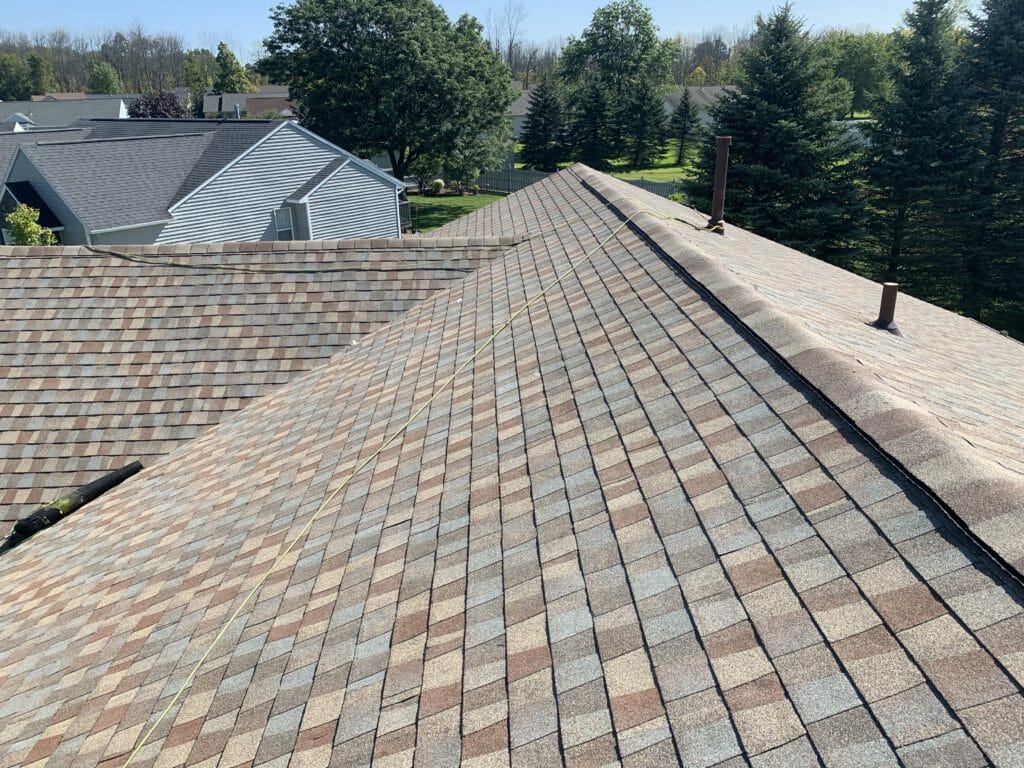
Fix or Replace Damaged Shingles Immediately
Did you spot a few shingles that look cracked, curled, or are just plain missing? Don’t wait to schedule a roof repair. Even a single damaged or missing shingle is an open invitation for water to seep underneath your roof deck.
When autumn temperatures drop, that trapped moisture can freeze and expand. This ice can lift up more shingles, push apart the wood decking, and cause much bigger problems than you started with. Addressing a damaged asphalt shingle now helps prevent water damage and protects the integrity of your roof structure.
Clean Your Gutters and Trim Overhanging Trees
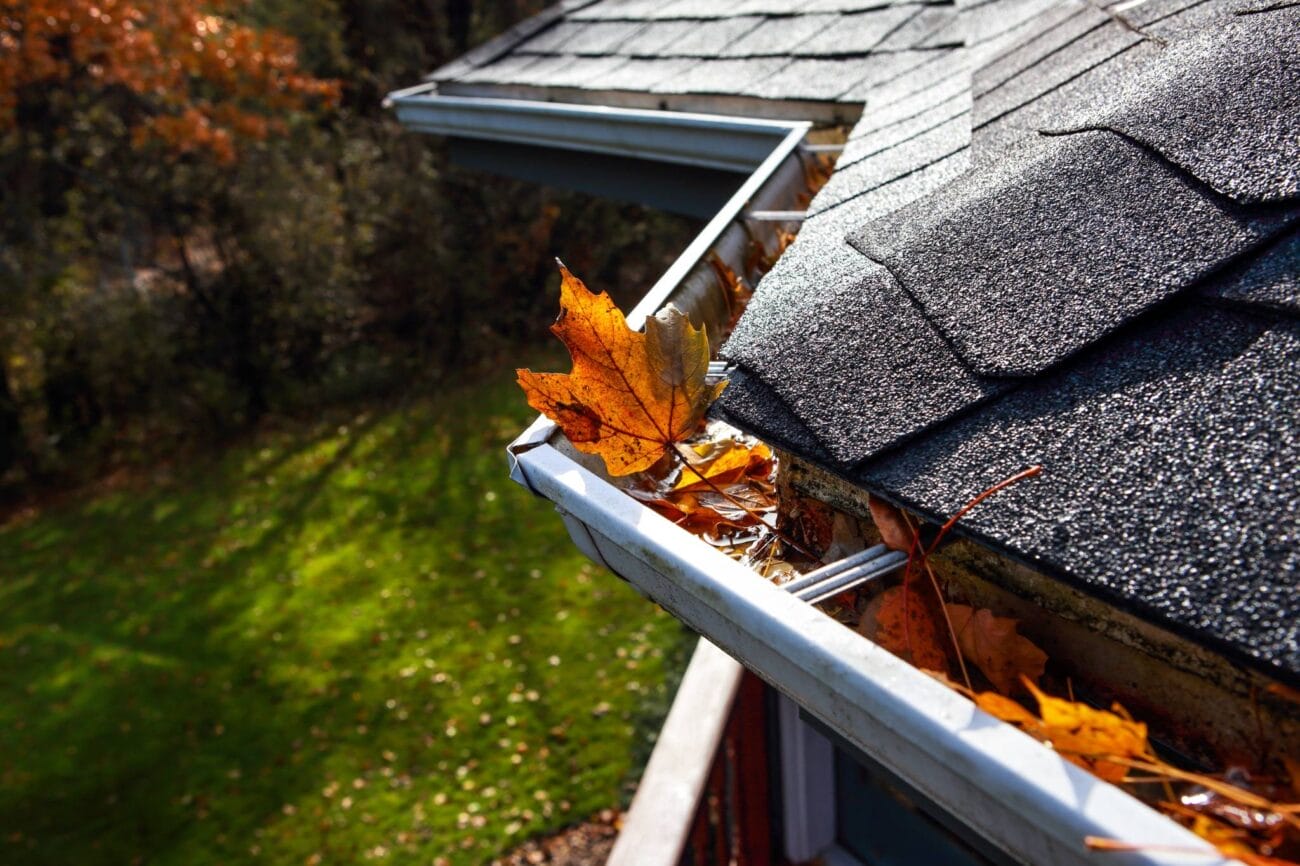
As fall brings beautiful foliage, it also means your gutters start to fill up with leaves and twigs. Gutters are your roof’s drainage system, designed to move water safely away from your home’s foundation. When they get clogged with debris buildup, that water has nowhere to go but over the sides or back up under your shingles.
Frozen, clogged, or damaged gutters can lead to destructive ice dams forming in the winter. At the same time, take a look at the trees around your house and trim trees that are too close. Heavy tree branches hanging over your roof are a major hazard when they get loaded with the extra weight of snow and ice, so it’s time to trim overhanging tree branches now to prevent a disaster.
To keep your roof clear, you need to clear leaves from the gutters. You can also make this job easier in the future by installing gutter guards. They help maintain proper drainage and prevent the clogs that can cause so much trouble.
Check Chimney Flashing
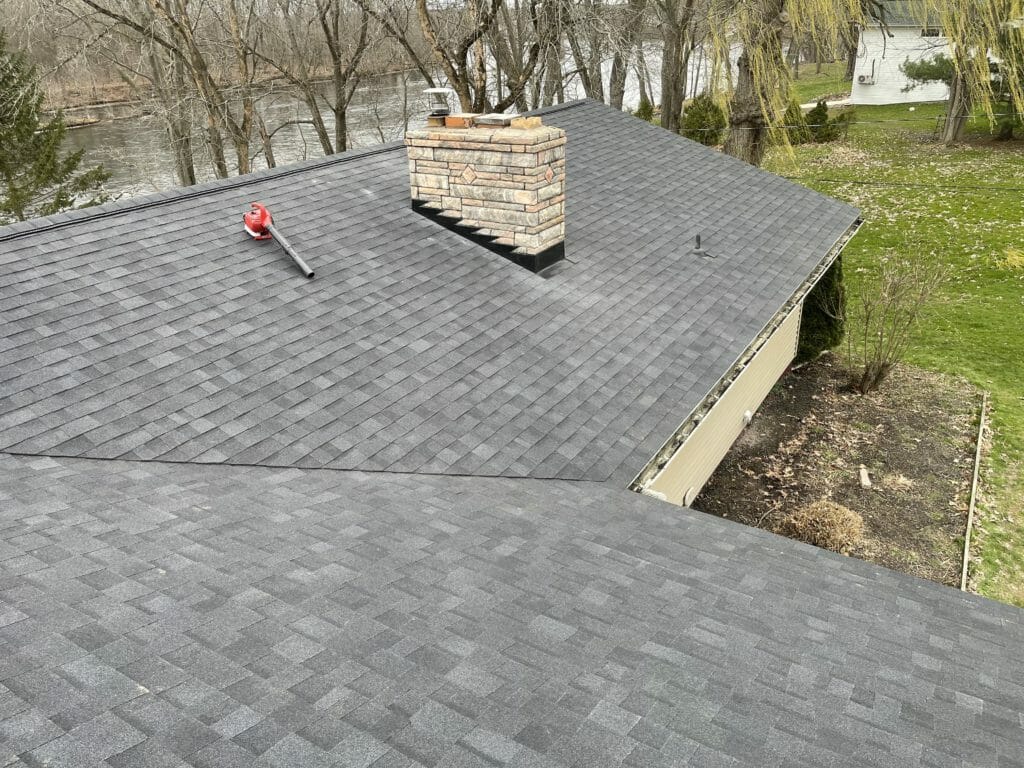
If you have a chimney, you have flashing. This thin piece of metal creates a waterproof seal where your chimney meets your roof, which is one of the most vulnerable spots for leaks. Over time, this flashing can rust, come loose, or get damaged by wind and weather.
Take a close look at the flashing to see if there are any gaps or signs of rust. Any break in this seal allows water to run straight into your attic and walls. The damage caused by a simple flashing leak can be extensive if left unchecked.
Repairing faulty flashing before you start using your fireplace is critical to keeping your home dry all winter. This simple step can prevent water from getting into your home, and it’s an essential part of any seasonal roof maintenance plan.
Check for Proper Attic Ventilation
What happens in your attic directly affects the health of your winter roof. Your attic needs to breathe. Good ventilation allows hot, moist air from inside your home to escape instead of getting trapped.
Without a proper escape route, that warm air condenses on the cold underside of your roof deck. This constant moisture can lead to wood rot, mildew, and even mold growth over time, leading to significant heat buildup. Moss or algae on your shingles can also be a sign of a moisture problem stemming from poor ventilation.
A properly ventilated attic protects your home and can even lower energy bills. It prevents heat from accumulating, which can degrade your shingles and decking. It’s a critical component of a healthy roofing system.
Inspect Your Attic Insulation
While you’re checking the ventilation, take a look at your attic insulation. Insulation is what keeps the warm air you pay for inside your living spaces during the winter. If it’s old, compressed, or damaged from a past leak, it’s not functioning effectively.
Heat escaping into your attic not only wastes money but can also contribute to the formation of ice dams. This happens when the roof gets warm, melting snow which then refreezes at the colder eaves, causing dams to form along the roof edge. Good insulation helps prevent heat loss through the ceiling.
Upgrading your attic insulation is a great way to keep your home cozy and energy-efficient when the temperatures outside really drop. It’s a smart investment to avoid costly heating bills.
Final Thoughts
Preparing your roof for winter doesn’t have to be overwhelming. By following these essential fall roof maintenance tips, you’re taking powerful steps to protect your home from the elements and avoid unpleasant surprises. A little roof cleaning and care now helps you maintain roof health for years to come.
This regular roof checkup also makes sure you can relax and enjoy the winter, knowing your family and your home are well protected. If you feel any of these tasks are beyond your comfort zone, don’t hesitate to ask a professional for help.