Roof issues rarely start with a dramatic collapse; they start with one shingle, one flashing joint, or one small stain that keeps coming back. That is why at Dynasty Roofing, we treat early roof repair as a structural decision, not a cosmetic one. When you spot leaks, missing shingles, or daylight showing in the attic, you may need roof repair in Fayetteville, NC, or a fast assessment for a sagging roof homeowners can actually see from the street. In our field work across Fayetteville and Camillus, we see a pattern: once a roof gets into its third decade, small failures stack up fast, especially around flashing, valleys, and penetrations. Below, we will walk through the visible signs, the water clues, and the structural warnings that drive the right next step, whether that is targeted flashing repair, a focused roof repair, or a full roof replacement.
Visible Signs of Roof Damage That Point to Roof Repair
We do not guess from the driveway. We walk the roof when conditions allow, and we also check from the ground with binoculars so we can map roof damage before anybody lifts a shingle. In Fayetteville, the NOAA climate normals for Fayetteville Regional Airport list about 44.58 inches of annual precipitation for 1991 to 2020, which is why small gaps at flashing and pipe boots can show up as interior stains sooner than homeowners expect.
To begin the process, we scan roof planes to look for pattern changes, missing tabs, lifted corners, and exposed nail heads. We then check metal details with a focus on valleys, chimneys, step flashing, and vent boots. Looking below the surface, we peek at attic decking, insulation, and any staining near penetrations. Finally, we follow the water path, as gutters and downspouts often tell the story before drywall does. If we see issues that overlap other exterior systems, we call it out. Roof leaks can travel behind vinyl siding, show up around windows and doors, and stain interior drywall far from the entry point.
Missing, cracked, or curled shingles
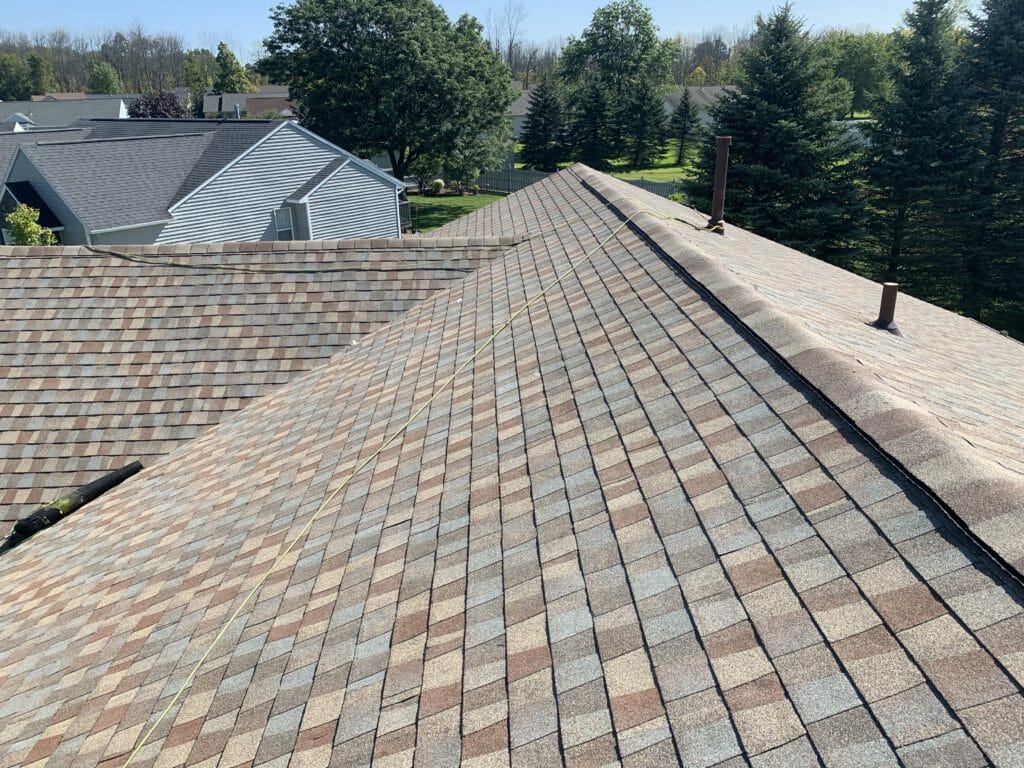
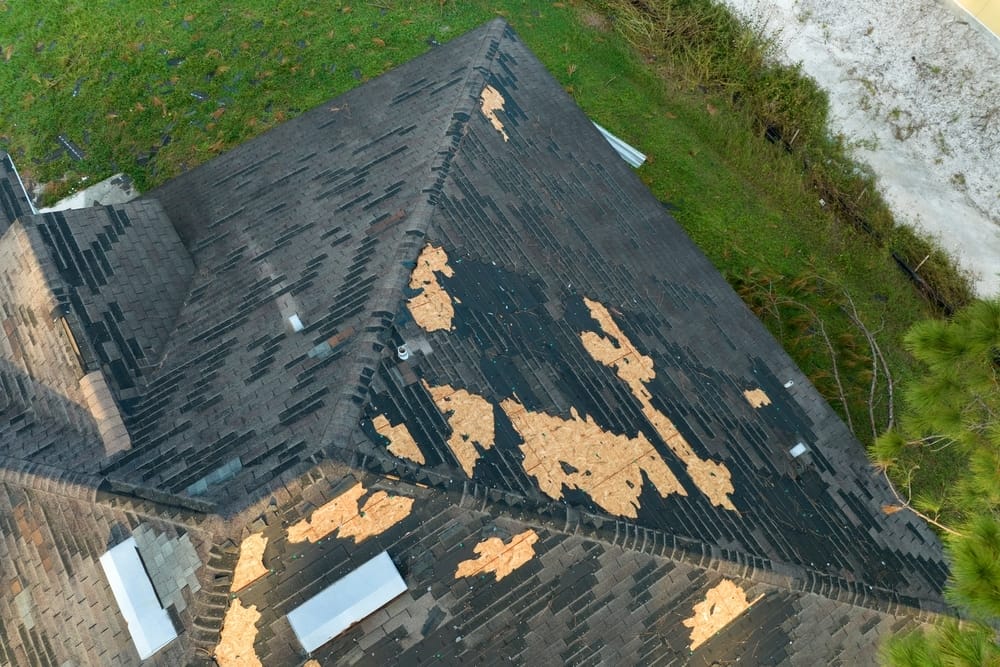
After storms, shingles fail in predictable ways: tabs lift, sealant strips let go, and the first missing piece becomes the first leak pathway. We act fast on these because one exposed area can saturate decking and insulation in a single event. Asphalt-shingle roofs commonly fall in an about 20 to 30 year service range, which is why we treat the 20-plus year mark as a practical pivot point for deeper roof inspection and roof replacement planning.
A missing shingle or exposed nail line often means wind uplift, a broken sealant bond, or brittle tabs. In these cases, we typically secure and replace the affected area and then check surrounding courses for lift. Curling or cupping edges are usually the result of heat and moisture cycling, ventilation issues, or aging shingles. We verify attic ventilation and then repair or plan replacement based on the spread of the damage. When granules collect in gutters, it indicates accelerated wear and weaker UV protection. We inspect slopes above the gutter run and confirm gutter installation and drainage. Cracks and splits in a cluster can point to impact, thermal movement, or brittle shingles. We document the pattern and then repair and verify the surrounding underlayment.
In Fayetteville and Hope Mills, we prioritize missing shingle repairs near ridges and edges, as those are common wind-entry zones. In Raeford and Spring Lake, we pay extra attention to granules in gutters after heavy rain events, as it often points to broader surface wear. If your home has layered exterior projects underway, such as vinyl siding or windows and doors, we sequence the roof work first so water does not get behind new finishes. The key when evaluating services is to compare scope detail, not just a headline recommendation.
Damaged or rusted flashing
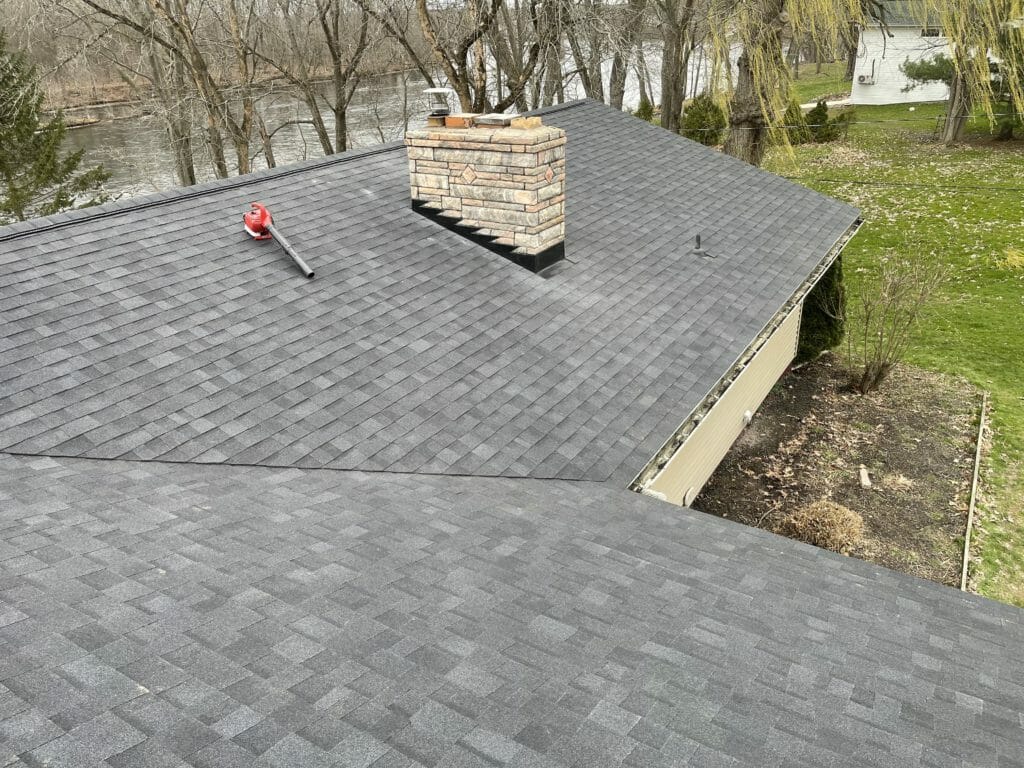
Damaged flashing lets water find weak spots fast. Flashing is the transition system; it is what makes chimneys, walls, valleys, and penetrations behave like part of the roof. When flashing rusts through, tears, or pulls loose, water does not need much of an opening. We check step flashing at sidewalls, counterflashing at masonry, and vent-pipe boots, then we verify sealant compatibility with the surrounding materials. In our experience, more caulk is rarely the long-term fix if the metal is improperly layered. For wider chimneys, we also check for a cricket, which is the small, peaked diverter behind the chimney.
For a small flashing tear, we repair the metal and reseal at the correct laps. If there is rust-through or repeated leakage, we replace the affected flashing run and confirm the underlayment condition. For chimney leakage, we verify step flashing plus counterflashing and check for a properly sized cricket. In valleys, we confirm valley metal integrity and debris flow, as valleys concentrate runoff. We prioritize manufacturer education programs to improve consistency around the flashing details that fail most often.
Water-Related Issues
Water is the fastest way to turn a manageable roof repair into widespread sheathing and insulation damage. That is why we use a moisture sensor, strong lighting, and photo documentation in every roof inspection where the homeowner reports staining or odor. For Camillus-area freeze and thaw patterns.
Common interior clues include ceiling rings, bubbling paint, and damp drywall corners. In the attic, we look for darkened decking, wet insulation, rusty nail heads, or a musty odor. Exterior clues often involve clogged gutters, overflowing valleys, or loose flashing at penetrations.
Leaks or water stains inside the home
Stains on ceilings or walls are not just cosmetic. They usually indicate an active moisture path, often around flashing, valleys, plumbing vents, or a roof-to-wall transition. We use moisture meters and thermal imaging to narrow the wet zone before we open anything up. In the field, tools such as a moisture meter and a thermal camera can help us focus on the right roof area instead of chasing the first visible drip.
If a stain shows up near a chimney wall, it often points to step flashing or counterflashing gaps or a missing cricket. We check the masonry counterflashing line, step-flashing laps, and the uphill diverter. Stains directly below a plumbing stack suggest a cracked pipe boot, nails backing out, or split sealant. We check the boot fit and seal, fastener placement, and shingle integrity. Staining along an exterior wall line can mean ice backup, wind-driven rain entry, or flashing issues at the wall intersection. We examine eave protection, the drip edge, the starter course, and step flashing. Below a valley line, we look for valley debris dams, failed valley metal, or worn shingle edges.
We recommend photographing stains and attic wet spots before anything dries out to help us match interior clues to exterior causes. It is also important to keep gutters clear so overflow does not imitate a roof leak. If you have active dripping, place a container and call for a roof inspection so we can document the leak path and recommend the right repair scope. When our technicians at Dynasty Roofing find the entry point, we document it in writing with photos and a clear repair plan.
Mold or mildew growth in the attic
Mold in the attic usually has two root drivers: liquid water from a leak, or warm moist air escaping into a cold attic and condensing on framing. Either way, it is a red flag for both health and structure. CDC guidance on mold and dampness links indoor mold exposure with respiratory symptoms, emphasizing the need to dry wet materials within about 24 to 48 hours to reduce growth risk.
If insulation is wet, we identify the leak source first, then remove and replace affected insulation once the area is dry. If drywall shows repeated staining, we check for a roof-side entry point and verify bathroom fan venting termination. If ventilation is weak, we verify intake and exhaust pathways, since building standards describe attic ventilation minimums as a specific ratio to ensure air flow. If growth is widespread, we recommend a qualified remediation partner and keep the roof scope focused on stopping the moisture source. A pro tip from our inspections is that if you see dark staining on roof decking near nails, treat it as an active moisture clue and verify it with a moisture meter.
Sagging roof areas
A sag is rarely just cosmetic. It often points to wet decking, damaged rafters, or long-running leakage that softened the roof structure. We start with a safe exterior sightline check, then confirm from the attic with moisture readings and visual inspection of sheathing seams and framing.
It is vital to avoid walking on a visibly sagging section or stacking snow on one side while clearing the other. A fast roof inspection with photos and moisture readings helps create a repair plan that addresses the structure first. Localized framing repair may be needed before standard roof repair materials can perform correctly. If the sag appears quickly or after a storm event, we treat it as urgent and dispatch a crew for assessment.
Rising Energy Bills
When a roof and attic system is compromised, homeowners often notice comfort problems first: hot upstairs rooms in summer, cold drafts in winter, and HVAC cycles that feel excessive. Building science education emphasizes air sealing attic floor penetrations because uncontrolled airflow can carry moisture into the attic and reduce overall efficiency.
Common attic leak points include plumbing stacks, chimney chases, recessed lights, and attic access hatches. Roof-driven contributors include missing shingles that allow wind washing and flashing gaps that admit humid air and water vapor. We verify these through targeted thermal imaging, attic visual checks, and ventilation pathway confirmation. We recommend fixing roof damage first and then addressing air sealing and insulation so the attic stays dry and stable.
Conclusion
When we see missing shingles, damaged flashing, or heavy granule loss, we treat it as an actionable roof repair signal, not a “watch it later” situation.
Water stains on drywall or daylight in the attic call for a documented roof inspection with moisture verification, so the repair scope targets the real entry point.
If you are dealing with a sagging roof or recurring leaks after Fayetteville storms, we’ll inspect, document, repair what is failing, and recommend roof replacement only when the roof system can no longer perform reliably.